Paterson NJ, United States
- 147,754 people
- 19 places to visit
- 40.9168, -74.1718
Places to Visit (19)
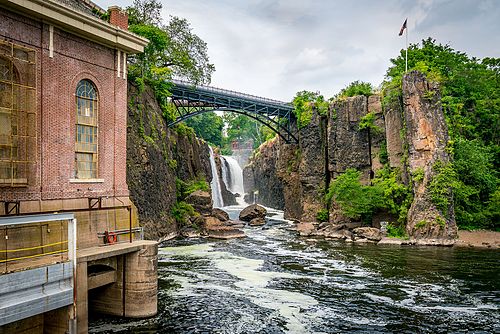
Paterson, New Jersey, is the county seat of Passaic County and ranks as the third-largest city in the state. Established in 1791, Paterson was named after William Paterson, a signer of the U.S. Constitution and later the governor of New Jersey. The city is historically significant for its role in the American Industrial Revolution, particularly due to its strategic location along the Passaic River, which provided water power for early manufacturing. Paterson became a hub for textile manufacturing, earning the nickname "Silk City" due to its flourishing silk industry during the late 19th and early 20th centuries. The city's industrial legacy is embodied in the Great Falls of the Passaic River, a National Historical Park that symbolizes the pivotal role of water power in American manufacturing.
Over the years, Paterson has evolved into a diverse urban center, with a population that reflects a mix of cultures and ethnicities. As of the most recent census, the city has a population of approximately 160,000 residents, with significant communities of Latino, African American, and Middle Eastern descent. This cultural diversity is vibrantly displayed in the city's food, festivals, and local businesses. Economically, though the decline of manufacturing in the late 20th century impacted Paterson, the city is now focusing on revitalization efforts, promoting small businesses and attracting new investments. The urban landscape features a blend of historic and modern architecture, public parks, and community centers, while the presence of universities and colleges contributes to the educational landscape. Paterson continues to evolve, striving to balance its rich historical heritage with the needs of a modern, diverse community, embodying the resilience and spirit of American urban life.
Facts about Paterson
- Paterson, NJ is known as the 'Silk City' due to its historical significance in the silk industry during the 19th century, housing numerous silk mills and becoming a leading producer.
- The Great Falls of Paterson, a 77-foot waterfall on the Passaic River, was a key site for industrial development and is one of the largest waterfalls in the eastern United States.
- Paterson is home to the Paterson Museum, which showcases the city's rich industrial history, including a collection of artifacts related to the silk industry, locomotives, and local art.
- The city was founded in 1792 as Paterson City and was the first planned industrial city in the United States, designed by Alexander Hamilton and his associates to harness the power of the waterfalls for industry.
- Paterson is also known for its diverse population and has been a melting pot of cultures, contributing to a vibrant community with various ethnic neighborhoods and international food options.
- The city is home to the historic Lambert Castle, built in the late 1800s, which now operates as a museum showcasing the history and culture of Paterson.
- The city has produced notable figures, including Paul Robeson, a celebrated African American singer, actor, and civil rights activist, who was born in the area.
- Paterson has a significant Hispanic population and celebrates its culture through events like El Festival de La Calle de Paterson, which features music, food, and community activities.
- The city is recognized for its contributions to the arts and music, being a birthplace of famous musicians such as jazz trumpeter and bandleader, Buddy Rich.
- Paterson's football team, the Paterson Eastside High School Ghosts, has a proud sports history, with several championships that highlight the city's commitment to high school athletics.