Pathānkot, India
- 174,306 people
- 8 places to visit
- 32.2733, 75.6522
Places to Visit (8)
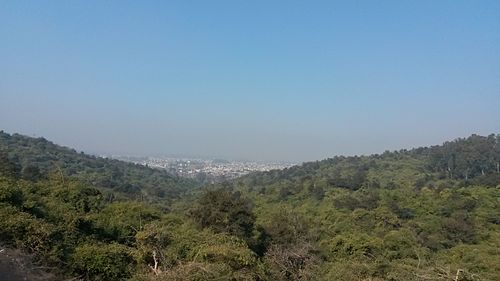
Pathānkot is a city located in the northwestern part of India, within the state of Punjab. It serves as an important administrative and military hub, situated at the convergence of Punjab, Himachal Pradesh, and Jammu and Kashmir. Established in the 16th century, Pathānkot has historical significance due to its strategic location along traditional trade routes and its role in the expansion of the Mughal Empire. The region is characterized by its diverse cultural heritage, which reflects a confluence of Punjabi, Himachali, and Kashmiri influences.
The city's economy is primarily driven by agriculture, as the surrounding fertile plains support a variety of crops, including wheat, rice, and pulses. Additionally, Pathānkot is known for its thriving tourism industry, owing to its proximity to the scenic hills of the Dhauladhar mountain range and several notable destinations like the Hoshiarpur district and the vibrant tourist town of Dalhousie located nearby. Key attractions in Pathānkot include the historic Shahpurkandi Fort, which was built during the reign of Raja Bhuri Singh, and the serene Mukteshwar Temple that draws visitors for both religious and historical significance. The city's connectivity is enhanced by the Pathānkot railway station and its location along national highways, facilitating travel to various parts of the country.
As a military garrison town, Pathānkot holds considerable strategic importance due to its proximity to the borders of Pakistan and the region of Jammu and Kashmir, serving as a key base for the Indian Armed Forces. The presence of military establishments has also contributed to the city's development and infrastructure. Over the years, Pathānkot has experienced urban growth, with modern amenities and services catering to its population, which is culturally diverse and predominantly Punjabi-speaking. The city's blend of history, culture, and natural beauty continues to make it a captivating destination for both residents and tourists.
Facts about Pathānkot
- Pathānkot is strategically located at the junction of three northern Indian states: Punjab, Himachal Pradesh, and Jammu and Kashmir.
- The city has a rich historical background, with roots tracing back to the ancient state of Punjab and significant influence from various empires including the Mughal and Sikh empires.
- Pathānkot is home to the famous Shahpurkandi Fort, built in the late 19th century, which showcases the military architecture of the era.
- The city serves as a gateway to several popular hill stations, including Dalhousie and Khajjiar, making it a significant tourist hub.
- Pathānkot is known for its natural beauty, surrounded by lush green hills and rivers, contributing to its popularity among nature enthusiasts.
- The Ranjit Sagar Dam, situated near Pathānkot, is one of the largest man-made lakes in India and a significant source of hydroelectric power.
- In addition to its natural and historical significance, Pathānkot is known for the annual Lohri festival, which celebrates Punjabi culture and traditions.
- Pathānkot was the first city in Punjab to have a railway station, established back in 1881, enhancing connectivity to other regions.
- The city has been a critical location during conflicts due to its proximity to the Line of Control, serving as a key point for military logistics.
- Pathānkot is also recognized for its vibrant agricultural practices, particularly in the production of fruits like peaches and apricots, which are grown in the nearby hills.