Patna, India
- 1,599,920 people
- 18 places to visit
- 25.5941, 85.1376
Places to Visit (18)
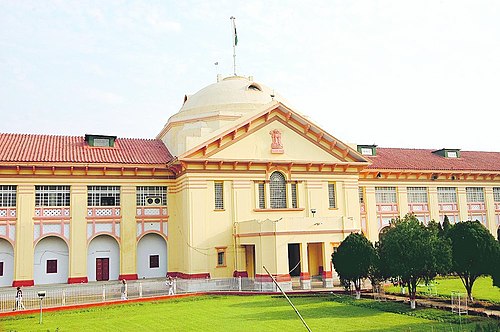
Patna, the capital city of Bihar, India, is one of the oldest continuously inhabited places in the world, with a rich historical and cultural heritage. Situated on the southern bank of the Ganges River, Patna was previously known as Pataliputra, the ancient capital of several dynasties, including the Maurya and Gupta empires. This city played a crucial role in the political, economic, and cultural life of ancient India and has witnessed the rise and fall of empires, making it a significant center for trade, education, and philosophy. Today, Patna is a bustling urban center with a population of over 1.5 million people, contributing to its status as one of India’s largest cities.
Modern Patna is characterized by a blend of old-world charm and contemporary urban development. The city has significant landmarks, such as the Golghar, built in 1786 as a granary, and the Patna Museum, which houses a remarkable collection of artifacts from the Mauryan period and artifacts related to the region's rich history. Other important sites include the Mahatma Gandhi Setu, one of the longest river bridges in India, and the historic Patna Sahib Gurudwara, commemorating the birthplace of Guru Gobind Singh, the tenth Sikh Guru. Education remains a stronghold in Patna, with institutions like the Bihar School of Yoga and Patna University, one of the oldest universities in India, fostering academic growth. The city is also known for its vibrant culinary scene, famous for local specialties like Litti Chokha and various sweets. Despite challenges such as infrastructure and economic development, Patna continues to grow as a pivotal region in India, blending its rich past with a progressive outlook for the future.
Facts about Patna
- Patna is one of the oldest continuously inhabited places in the world, with a history dating back over 2,500 years.
- The city was known as Pataliputra in ancient times and served as the capital of several empires, including the Maurya and Gupta dynasties.
- Patna is home to the Golghar, a large storied granary built in 1786, which is a unique example of colonial architecture and offers panoramic views of the city.
- The Mahatma Gandhi Setu, one of the longest river bridges in the world, connects Patna to the northern part of Bihar, spanning the Ganges River.
- Patna hosts the Patna Museum, which features a diverse collection of artifacts including ancient sculptures, paintings, and relics from the Mauryan and Gupta periods.
- The city has a significant connection to Buddhism; it is near Bodh Gaya, where Gautama Buddha attained enlightenment.
- Patna is also known for its vibrant cultural scene, with many festivals, including the famous Chhath Puja, celebrated with great fervor by the people.
- The city played a crucial role in the Indian freedom movement and is remembered for the Champaran Satyagraha led by Mahatma Gandhi.
- Patna has been a center for education and is home to several prestigious institutions, including Patna University, which is one of the oldest universities in India.
- The Patna Sahib Gurudwara, also known as Takht Harmandir Sahib Patna, is one of the holiest pilgrimage sites for Sikhs, as it marks the birthplace of Guru Gobind Singh.