Pátzcuaro, Mexico
- 55,298 people
- 11 places to visit
- 19.5135, -101.6092
Places to Visit (11)
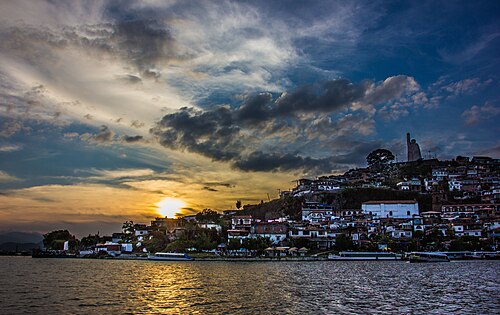
Pátzcuaro is a picturesque town located in the central highlands of Mexico, specifically within the state of Michoacán. Renowned for its rich history and cultural heritage, Pátzcuaro sits at an elevation of approximately 2,200 meters (7,200 feet) above sea level, alongside the beautiful Lake Pátzcuaro. The town was historically significant to the Purépecha Empire and later became an important colonial center during Spanish rule. The influence of both these cultures is evident in Pátzcuaro's architecture, traditions, and local handicrafts.
The town is particularly famous for its Day of the Dead celebrations, which attract numerous tourists every year. The festival showcases local customs, such as building elaborate altars, creating ornate offerings, and holding candlelit vigils in cemeteries to honor deceased loved ones. Pátzcuaro's vibrant markets offer a variety of artisanal crafts, textiles, and traditional foods, such as carnitas and atole, making it a beloved destination for visitors seeking an authentic cultural experience. Landmarks like the Basilica of Our Lady of Health and the ruins of the former Purépecha capital, Tzintzuntzan, further reflect the area’s historical significance.
Economically, Pátzcuaro benefits from tourism, as well as agriculture with the surrounding region supporting local crops such as corn and avocados. The town's commitment to preserving its cultural identity and natural environment, combined with unique culinary offerings, has established Pátzcuaro as a center of local culture that attracts those interested in exploring Mexico's rich indigenous and colonial history. With its charming streets, colonial architecture, and stunning natural scenery, Pátzcuaro remains a quintessential example of Mexico's rich tapestry of traditions and landscapes.
Facts about Pátzcuaro
- Pátzcuaro is known for its stunning Lake Pátzcuaro, which is not only a key feature of the town but also a habitat for several unique species, including the endangered purepecha fish.
- The town is famous for the annual Day of the Dead celebrations, particularly the vibrant ceremonies held on Janitzio Island, a key cultural event that attracts many visitors.
- Pátzcuaro is historically significant as it was the capital of the Purépecha Empire before the Spanish conquest and has preserved many indigenous customs and traditions.
- The town features remarkable colonial architecture, most notably the Basilica of Our Lady of Health, which is an important pilgrimage site and an architectural gem of the region.
- Pátzcuaro hosts the 'Noche de Muertos' (Night of the Dead) celebrations where families light up the night with candles in the cemetery, creating a breathtaking and spiritual atmosphere.
- Every year, Pátzcuaro holds the Appealing Food Festival, showcasing traditional Purépecha cuisine, which highlights local ingredients and recipes, setting it apart from other regions.
- The town is recognized for its vibrant artisan community, particularly its skilled woodworkers who create intricate designs in the traditional Michoacán style.
- Pátzcuaro serves as a cultural hub with numerous galleries and museums, including the Museum of Popular Arts and Traditions, dedicated to local crafts and heritage.
- Unlike many other cities in Mexico, Pátzcuaro retains a strong indigenous presence, with the Purépecha language still spoken and cultural festivals widely celebrated.
- Pátzcuaro is located at a high elevation, giving it a distinct climate and unique flora compared to more coastal cities in Mexico.