Pau, France
- 82,697 people
- 15 places to visit
- 43.2951, -0.3708
Places to Visit (15)
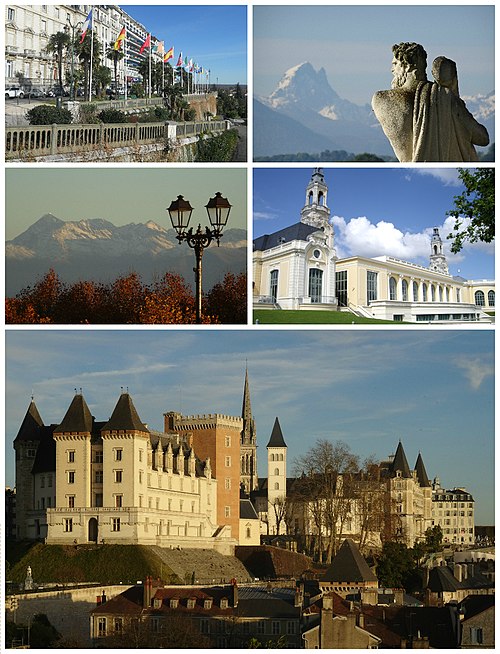
Pau is a city located in the southwestern part of France, nestled in the foothills of the Pyrenees mountain range. It serves as the capital of the Pyrénées-Atlantiques department in the Nouvelle-Aquitaine region. With a population of approximately 80,000 residents, Pau is known for its beautiful landscapes, rich history, and its strategic position as a gateway to both the mountains and the Basque Country. The city enjoys a temperate oceanic climate, characterized by mild winters and warm summers, making it an attractive destination for outdoor enthusiasts and tourists alike.
The city's history dates back to the Middle Ages, with its origins linked to a castle built in the 11th century. Pau grew in prominence when it became the birthplace of King Henry IV of France in 1553. The legacy of Henry IV is evident in the city's architecture and culture, particularly in the Palais Beaumont and the Château de Pau, which attract visitors with their historical significance and stunning views. Pau's vibrant cultural scene is complemented by several museums, parks, and botanical gardens, as well as events such as the Pau Open, a notable international tennis tournament. Furthermore, the city has strong educational institutions, including the University of Pau and the Adour Countries, contributing to a vibrant student community.
In contemporary times, Pau has developed a diverse economy, with key sectors including aerospace, technology, and tourism. The city is a hub for several large companies, particularly in the aviation industry, thanks to its proximity to major research centers. Its scenic location offers numerous opportunities for outdoor activities, such as hiking, skiing, and cycling, drawing sports enthusiasts each year. Pau is also famous for its cuisine, including the regional specialties of Béarn and the influence of Basque cooking. Overall, Pau blends historical significance, cultural richness, and natural beauty, making it a unique and appealing destination in France.
Facts about Pau
- Pau is known for its stunning views of the Pyrénées mountains, making it a popular destination for outdoor enthusiasts and nature lovers.
- The city was the birthplace of King Henry IV of France, and his childhood home, the Château de Pau, is a significant historical landmark.
- Pau is home to one of the oldest golf courses in Continental Europe, the Golf de Pau, established in 1856, which showcases a unique blend of landscape and sport.
- The city hosts the annual Pau-Pyrénées Mountain Festival, celebrating outdoor activities and the environment, emphasizing its connection to nature.
- Pau has a unique climate, often referred to as 'the beautiful land,' with mild winters and warm summers influenced by the surrounding mountains.
- The Gave de Pau river runs through the city, providing picturesque riverbanks perfect for walking and cycling.
- Pau is known for its impressive Boulevard des Pyrénées, offering one of the most beautiful promenades in France with panoramic views of the mountains.
- The city has a rich Basque and Béarn culture, reflected in its architecture, local cuisine, and annual events like the Fêtes de la Saint-Jean.
- Pau has a strong connection to science and education, being home to several institutions, including the University of Pau and the Pays de l'Adour.
- The city is part of the French government's 'Petite Ville de Demain' initiative, focusing on sustainable development and improving the quality of life for residents.