Pavlodar, Kazakhstan
- 329,002 people
- 4 places to visit
- 52.2873, 76.9674
Places to Visit (4)
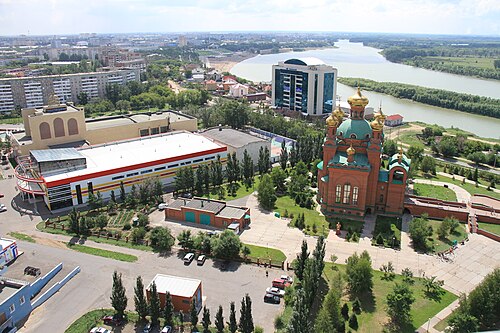
Pavlodar is a significant city located in northeastern Kazakhstan, serving as the administrative center of Pavlodar Region. The city lies on the banks of the Irtysh River, approximately 450 kilometers northeast of the capital, Nur-Sultan (formerly Astana). Founded in 1720 as a small fortress, Pavlodar has evolved over the centuries into a key industrial hub, playing a crucial role in Kazakhstan's economic landscape. Its strategic location facilitates transportation and trade across the region, connecting economically with neighboring Russia and China.
The population of Pavlodar is around 300,000 inhabitants, comprising a diverse mix of ethnic Kazakhs, Russians, Ukrainians, and other nationalities. This multicultural fabric is reflected in the city's architecture, culture, and traditions. Pavlodar is known for its numerous educational institutions, including universities and technical colleges, which contribute to a skilled workforce in various sectors. The city's economy is predominantly driven by heavy industry, notably coal and electricity generation, with the presence of an extensive network of power plants and manufacturing facilities. Additionally, agriculture plays a vital role in the surrounding region, with fertile lands supporting the cultivation of grains and livestock.
Pavlodar also boasts several cultural and historical attractions. The city features museums, theaters, and parks, offering residents and visitors a glimpse into its rich history and vibrant arts scene. Notable sites include the Transfiguration Cathedral, which exemplifies Russian Orthodox architecture, and the Aksu River, known for its picturesque landscapes. Recreational opportunities abound, with lakes and nature reserves nearby, providing spaces for outdoor activities such as hiking, fishing, and picnicking. Overall, Pavlodar encapsulates a blend of industrial significance, educational opportunities, and cultural richness, making it an essential part of Kazakhstan's development and heritage.
Facts about Pavlodar
- Pavlodar is located in northeastern Kazakhstan and serves as the administrative center of Pavlodar Region.
- The city is strategically positioned on the banks of the Irtysh River, which is one of the longest rivers in Kazakhstan, contributing to its historical significance for trade and transportation.
- Pavlodar was founded in 1720 as a fortified post known as Pavlodarskoye, making it one of the older settlements in Kazakhstan.
- The city is known for its unique architecture, with a blend of Soviet-era buildings and modern structures, including the striking Pavlodar Regional Museum.
- Pavlodar is home to the 'Akkol' Eco-Park, which is a significant urban natural reserve providing recreational space and promoting biodiversity in the region.
- The city has a vibrant energy sector and is home to several major power stations, making it a key player in Kazakhstan's energy production.
- Pavlodar hosts the 'Listvyazhnaya' recreation area, which offers a chance for outdoor activities such as hiking and ice fishing, attracting both locals and tourists.
- The city is noted for its unique climate, characterized by cold winters and warm summers, which differs from other regions in Kazakhstan.
- Pavlodar has a diverse population, including significant Russian, Ukrainian, and Kazakh communities, contributing to a rich cultural tapestry.
- The city is also recognized for its educational institutions, including innovative colleges that focus on vocational training and engineering.