Paysandú, Uruguay
- 73,249 people
- 11 places to visit
- -32.3168, -58.0801
Places to Visit (11)
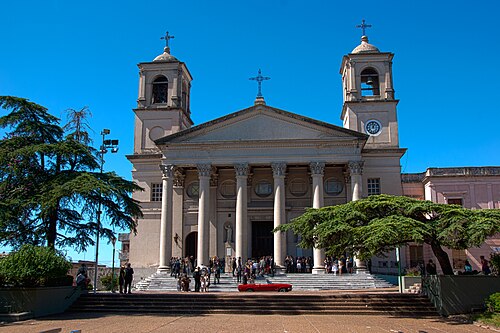
Paysandú is a city located in western Uruguay, serving as the capital of the Paysandú Department. Positioned on the banks of the Uruguay River, it is approximately 400 kilometers northwest of Montevideo, the capital of the country. With a population of around 80,000 residents, Paysandú ranks as the third-largest city in Uruguay. The region is characterized by a blend of agricultural and industrial activities, making it a pivotal economic center in the country. The city has a rich cultural heritage, influenced by various waves of European immigration, particularly from Spain and Italy.
Historically, Paysandú emerged as a significant settlement in the 19th century, playing a crucial role during the civil wars of Uruguay. The city is known for its well-preserved colonial architecture, including the iconic Paysandú Cathedral, which showcases the neoclassical style. The economy is diverse, focusing on agriculture, especially cattle ranching, and dairy farming, as well as a growing industrial sector that includes food processing and textiles. In addition to its economic activities, Paysandú hosts several cultural and sporting events, including the renowned Paysandú Carnival, which draws visitors from across the region. The city's strategic location along the Uruguay River also facilitates trade and tourism, linking it with Argentina and Brazil.
In terms of education and infrastructure, Paysandú is home to various educational institutions, including the National University of the Littoral and several technical schools that provide training in agriculture, business, and technology. The city offers a range of recreational spaces, such as parks and riverfront promenades, making it an attractive place for both residents and tourists. With its rich history, cultural vibrancy, and economic importance, Paysandú continues to be a significant city in Uruguay, reflecting the country's growth and diversity.
Facts about Paysandú
- Paysandú is known for its significant role in the Uruguayan War of Independence, particularly during the Siege of Paysandú in 1864.
- The city is famous for its unique architecture, which includes a blend of colonial and neo-classical styles, notably seen in the Paysandú Municipal Palace.
- Paysandú is situated on the banks of the Uruguay River, providing a strategic port that has historically contributed to the city’s economic development.
- The city hosts the annual Internacional de Gualeguaychú Festival, which is one of the largest carnival celebrations in Uruguay, attracting visitors from around the region.
- Paysandú is also recognized for its vibrant cultural scene, including the Paysandú National Carnival, which showcases traditional music, dance, and costumes.
- The city is home to the historic San Francisco de Asís Parish Church, a notable landmark known for its beautiful stained glass windows and rich history.
- Another unique feature of Paysandú is its extensive riverfront promenade, which offers recreational areas and stunning views of the Uruguay River.
- The city has a strong sports culture, particularly in football, and is the birthplace of several prominent players who have contributed to Uruguayan football history.
- In terms of industrial achievements, Paysandú is known for its production of high-quality dairy and cheese products, contributing to Uruguay’s reputation in the global dairy market.
- The site of the Battle of Paysandú in 1864 has been preserved as a historic monument, commemorating the events that took place during the civil conflicts in Uruguay.