Pécs, Hungary
- 145,347 people
- 17 places to visit
- 46.0727, 18.2323
Places to Visit (17)
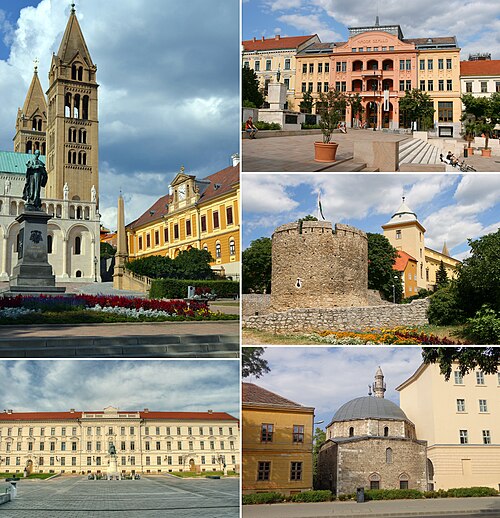
Pécs, a vibrant city in southern Hungary, is renowned for its rich history, cultural diversity, and stunning architecture. Founded by the Romans as Sopianae in the 2nd century AD, the city has evolved through various historical periods, evident in its vast array of architectural styles, from Roman ruins to Ottoman relics and modern constructions. Pécs is best known for its early Christian burial sites, which have been designated a UNESCO World Heritage Site. The early Christian Necropolis features intricate tombs and murals, reflecting the city's significant role in the spread of Christianity in the region.
Beyond its historical significance, Pécs is a cultural hub. It was named a European Capital of Culture in 2010, which spurred redevelopment and increased tourism. The city's university, established in 1367, is one of the oldest in Hungary and contributes to its youthful atmosphere. The nearby Zsolnay Cultural Quarter, named after the famed porcelain manufacturer Miklós Zsolnay, showcases artistic works and hosts various cultural events, drawing visitors to its galleries and artisan shops. The city's vibrant cultural scene is complemented by numerous festivals, including music, art, and gastronomic events, making it an attractive destination for both locals and tourists alike.
Pécs also benefits from a picturesque setting, situated at the foot of the Mecsek Mountains. Its mild Mediterranean climate allows for lush landscapes, picturesque parks, and an inviting atmosphere that enhances outdoor activities. The city's strategic location near the borders of Croatia, Serbia, and Austria further establishes it as a gateway to exploring southern Hungary's natural and cultural treasures. With a diverse population that includes a significant Croatian minority, Pécs embodies a blend of traditions, languages, and culinary influences, making it a unique reflection of Hungary's multicultural heritage.
Facts about Pécs
- Pécs is home to the early Christian Necropolis, a UNESCO World Heritage Site, featuring a variety of ancient tombs and intricate mosaics.
- The city is known for its Mediterranean atmosphere, which is quite unique in Hungary, with a warm climate and a history of wine production.
- Pécs is the center of Hungary's cultural life, hosting the renowned Pécs Cathedral, a stunning example of Romanesque architecture.
- In 2010, Pécs was designated a European Capital of Culture, allowing it to showcase its rich arts scene and cultural heritage on a global stage.
- The Zsolnay Cultural Quarter, known for its artistic ceramics and cultural programs, was established in the former Zsolnay ceramics factory district.
- Pécs is also famous for its diverse architectural styles, including Ottoman mosques, Baroque buildings, and modernist structures, reflecting its multicultural past.
- The city boasts a vibrant student population, being home to the University of Pécs, one of the oldest universities in Hungary, founded in 1367.
- The sculpture of the famous Hungarian poet Sándor Petőfi can be found in Pécs, honoring the city's literary heritage.
- Pécs has a significant Jewish history, with a well-preserved Jewish quarter and the largest Jewish cemetery in Hungary, reflecting its once-thriving community.
- The city is known for its annual wine festivals and proximity to the Villány wine region, making it a hub for winemaking and tasting in Hungary.