Peine, Germany
- 49,953 people
- 9 places to visit
- 52.3204, 10.2433
Places to Visit (9)
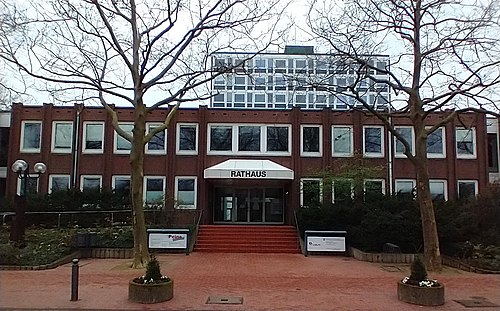
Peine is a charming town located in the Lower Saxony region of Germany, situated approximately 30 kilometers southeast of Hanover. The city serves as the administrative center of the Peine district and plays a significant role in both historical and modern contexts. With a population of around 50,000 residents, Peine has established itself as a vibrant community, enriched by its blend of industrial history and contemporary developments. The town's economy has traditionally revolved around iron and steel production; however, it has diversified over the years to include sectors such as engineering, logistics, and information technology.
Historically, Peine was first mentioned in records dating back to the 9th century and has since evolved through various phases of development. The city experienced significant growth during the 19th century, particularly with the advent of the railroad, which facilitated trade and mobility. Peine is characterized by its picturesque architectural styles that reflect its long history, with several well-preserved buildings located throughout the town. The historic Old Town, with its narrow streets and quaint houses, is a particular draw for locals and visitors alike. The town also boasts a range of cultural amenities, including museums, galleries, and theaters, showcasing local talent and traditions.
In recent years, Peine has made strides towards sustainability, developing green spaces and improving public transportation. The town's location near the scenic Lichtenberg Forest offers residents and visitors opportunities for outdoor activities such as hiking and biking, further enhancing its appeal. Annual events and festivals, such as the Peine Fair, foster a sense of community and celebrate local culture, drawing participants from both within and outside the region. Overall, Peine is a unique blend of historical richness and modern innovation, making it an intriguing destination within Lower Saxony.
Facts about Peine
- Peine is known for its rich industrial history, particularly in the iron and steel industry, dating back to the 19th century.
- The Peine Steelworks, established in 1872, was one of the largest steel producers in Germany and played a significant role in the economic development of the region.
- Peine features a unique blend of architectural styles, with notable half-timbered houses that reflect its medieval heritage.
- The city's annual 'Peiner Fest,' a local festival, celebrates regional culture and attracts visitors with its food, music, and entertainment.
- Peine is home to the world's largest gingerbread clock, a whimsical and distinctive landmark that showcases the town's festive spirit.
- The local museum, 'Peiner Heimatmuseum,' offers insights into the history and culture of the region, with exhibits ranging from prehistory to industrialization.
- Peine's location provides easy access to several scenic walking and cycling trails, including routes through the nearby forested areas of the Harz region.
- The city is part of the 'Cultural Route of Industrial Heritage,' which highlights the significance of industrialization in shaping modern Europe.
- Peine is known for its active sports community, particularly in football, with local clubs that compete in various leagues.
- The city's proximity to major metropolitan areas like Hanover allows residents to enjoy a peaceful town life while being close to urban facilities.