Pekalongan, Indonesia
- 317,524 people
- 12 places to visit
- -6.8898, 109.6746
Places to Visit (12)
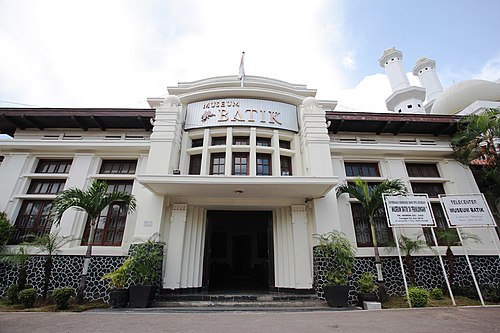
Pekalongan is a vibrant city located in Central Java, Indonesia, renowned for its rich cultural heritage and as a significant center for batik production. Founded in the early 19th century, Pekalongan has grown into an important trade and economic hub on the northern coast of Java. The city is strategically positioned near the Java Sea, facilitating its role in maritime trade and commerce. With a population of approximately 300,000 residents, Pekalongan showcases a diverse cultural landscape influenced by various ethnic groups, including Javanese, Chinese, and Arab communities. This multicultural tapestry is evident in the city's festivals, culinary traditions, and, most notably, its batik textiles.
The city's batik industry is one of its defining characteristics, with Pekalongan recognized as a center for both traditional and modern batik techniques. The intricate designs and vibrant colors of Pekalongan batik embody the local culture and artistry, attracting both domestic and international shoppers. Several batik workshops and factories are available for visitors, offering insights into the intricate processes of batik-making and the opportunity to purchase authentic pieces. In addition to batik, Pekalongan is known for its fishing industry due to its coastal location, which contributes to the local economy and provides a livelihood for many residents. The city's culinary scene is also noteworthy, marked by unique dishes that reflect its cultural diversity, including seafood, traditional Javanese cuisine, and Chinese-influenced dishes.
Tourism in Pekalongan is bolstered by its cultural landmarks, such as the Assalaam Mosque, one of the largest in Central Java, and various traditional markets where visitors can immerse themselves in the local way of life. The annual Pekalongan Batik Festival celebrates the art of batik and attracts tourists from across the globe, reinforcing the city's position as a cultural crossroads. As Pekalongan continues to develop economically while preserving its cultural identity, it remains a significant destination for those seeking to explore the richness of Indonesian heritage. Its blend of tradition and modernity, exemplified by its thriving arts and crafts scene, makes Pekalongan a notable city in the diverse landscape of Indonesia.
Facts about Pekalongan
- Pekalongan is known as the 'City of Batik' due to its rich tradition of batik textile production, which is recognized as a UNESCO Intangible Cultural Heritage.
- The city's batik industry is famous for its unique, colorful designs and techniques, which include both traditional and modern interpretations.
- Pekalongan hosts an annual Batik Festival, showcasing the city's heritage and promoting local artisans, attracting both national and international visitors.
- The Pekalongan Grand Mosque, built in the early 19th century, is an important cultural landmark and reflects the rich Islamic heritage of the area.
- Pekalongan has a significant Chinese community, with historical influences evident in local architecture, cuisine, and festivals.
- The city features a unique coastal geographical setting, making it a hub for fishing and a vibrant seafood culinary scene.
- Pekalongan is known for its annual Pekalongan Kite Festival, where local and international kite makers gather to display their creations and compete.
- The city's location at the confluence of several rivers makes it vulnerable to flooding, leading to unique adaptations and community resilience initiatives.
- Pekalongan's economy is predominantly supported by the textile and garment industries, along with agriculture, particularly rice and coconut production.
- The city is home to the 'Pekalongan Batik Museum', which houses an extensive collection of batik fabric and artifacts, promoting the art form to future generations.