Pematangsiantar, Indonesia
- 274,838 people
- 12 places to visit
- 2.9651, 99.0626
Places to Visit (12)
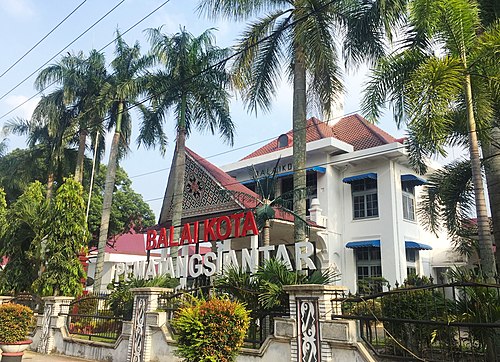
Pematangsiantar is a city located in North Sumatra, Indonesia, and serves as an integral part of the larger administrative area of North Sumatra Province. Established in the late 19th century during the Dutch colonial period, Pematangsiantar has grown into the second-largest city in the province after Medan. The city is situated approximately 128 kilometers from Medan and acts as a crucial transit point to various destinations in the region, including Lake Toba, a well-known tourist attraction. With a population exceeding 200,000, Pematangsiantar reflects a diverse cultural landscape, predominantly inhabited by Batak people, with influences from Chinese, Javanese, and other ethnic groups.
Economically, Pematangsiantar is characterized by its role as a commercial center, supporting agriculture, trade, and small to medium-sized enterprises. The local economy is bolstered by its agricultural output, particularly palm oil, rubber, and rice, alongside a thriving marketplace that caters to both local needs and commerce from surrounding areas. In addition to its economic activities, the city boasts several educational institutions, contributing to the development of human resources in the region. The city's infrastructure, including transport services and public amenities, has been steadily improved to support its growth. With a vibrant social scene, Pematangsiantar hosts many cultural and traditional events reflective of its rich heritage, offering visitors a glimpse into the local customs and way of life. As it continues to develop, Pematangsiantar remains an important hub in Northern Sumatra, balancing modernization with its cultural roots.
Facts about Pematangsiantar
- Pematangsiantar is known as the 'City of Flowers', named for its abundance of colorful flora and its efforts to maintain green spaces within the urban environment.
- The city is the sixth largest city in North Sumatra, which makes it an important economic and cultural center in the region.
- Pematangsiantar has a unique blend of Batak and Malay cultures, reflected in its local festivals, arts, and traditional cuisine.
- The city's historical significance is noted with the remnants of Dutch colonial architecture, which can still be seen in several buildings around the city.
- Pematangsiantar is home to the famous Siantar Zoo, one of the oldest zoos in Indonesia, which showcases a variety of native wildlife.
- The city hosts the annual Pematangsiantar Flower Festival, celebrating its identity as a floral city, which attracts both locals and tourists.
- Pematangsiantar has a vibrant market scene, including the traditional Siantar Market, where local produce and crafts can be purchased.
- The city features the well-known Taman Bunga, a public park filled with beautiful flowers and recreational areas for families and visitors.
- Pematangsiantar is an important educational hub in North Sumatra, with several universities and colleges offering diverse programs.
- The local culinary scene is unique, with highlights including 'soto' (traditional soup) and 'tahu tempe' (tofu and fermented soybeans), which are popular among residents and visitors alike.