Pemba, Mozambique
- 232,932 people
- 4 places to visit
- -12.9732, 40.5178
Places to Visit (4)
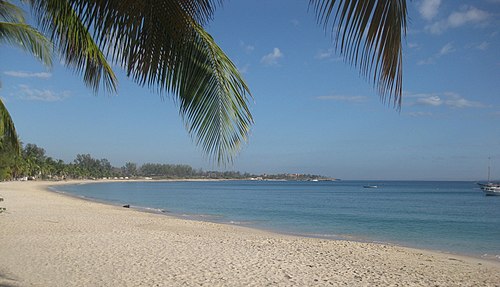
Pemba is a vibrant coastal city located in the northern part of Mozambique, functioning as the capital of the Cabo Delgado Province. It lies on the Pemba Bay, surrounded by breathtaking natural beauty including white sandy beaches, lush vegetation, and coral reefs. The city was founded during the Portuguese colonial era in the late 18th century and has evolved into an important economic and cultural hub in the region. Pemba serves as a key port for trade and transportation, linking the landlocked countries of East Africa to the Indian Ocean, facilitating maritime commerce and fishing activities. The city's economy is primarily driven by fishing, agriculture, and tourism, with the latter gaining momentum due to its rich marine life and historical landmarks.
Pemba is also known for its diverse cultural heritage, influenced by various ethnic groups, including the Makhuwa, Mwani, and Swahili. This cultural mix is evident in the local cuisine, language, and traditional customs. The city's annual festivals, showcasing traditional music, dance, and crafts, attract both locals and tourists, fostering a vibrant community atmosphere. Another notable aspect of Pemba is its strategic location near the Quirimbas Archipelago, a UNESCO Biosphere Reserve, famed for its pristine beaches, marine ecosystems, and historical sites. Despite its charm and potential for growth, Pemba faces challenges, including infrastructural development and the impacts of regional instability, with the recent rise in violence linked to extremist groups. Nonetheless, Pemba remains an intriguing destination for those seeking an authentic experience of Mozambique's rich culture and natural wonders.
Facts about Pemba
- Pemba is the capital of Cabo Delgado Province, located on the northeastern coast of Mozambique, making it a significant regional hub for economic and administrative activities.
- The city is known for its beautiful beaches and turquoise waters, which attract tourists and divers looking to explore the rich marine biodiversity of the Indian Ocean.
- Pemba has a unique cultural heritage, influenced by a mix of indigenous Makua and Makonde peoples, as well as a historical Portuguese presence, which is reflected in its architecture and local cuisine.
- The Pemba Bay is home to the iconic wooden dhows, traditional sailing vessels that are an essential part of local fishing and trade, showcasing the city’s maritime culture.
- The city serves as a gateway to the Quirimbas Archipelago, a UNESCO World Heritage site, famous for its pristine islands, coral reefs, and diverse ecosystems.
- Pemba is known for its vibrant market scene, particularly the local fish market where fresh catches are sold daily, emphasizing the city’s fishing industry.
- In recent years, Pemba has gained international attention due to the burgeoning natural gas projects off the coast, which have potential economic implications for the area.
- The annual Pemba Music Festival celebrates Mozambican music and local talents, highlighting the city's cultural contribution to the country's artistic landscape.
- Pemba features significant historical landmarks, including the old Portuguese fort known as Fortaleza de Pemba, which dates back to the 18th century.
- The city has been a focal point for various humanitarian efforts, especially in response to the ongoing challenges posed by the insurgency in Cabo Delgado Province, positioning it as a center for NGOs and international aid.