Pérama, Greece
- 25,389 people
- 13 places to visit
- 37.9656, 23.5677
Places to Visit (13)
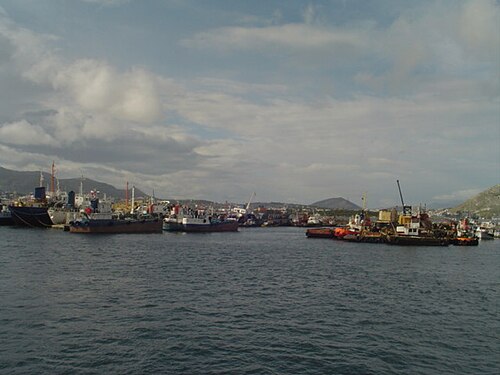
Pérama is a town and municipality located in the region of Attica, Greece, sitting just to the west of Piraeus, the country's main port city. It is part of the larger metropolitan area of Athens and is situated near the Saronic Gulf. The town has a rich industrial history, primarily emerging as a center for shipbuilding and maritime-related industries. Pérama's strategic location near the Port of Piraeus has significantly influenced its development, making it an essential hub for both commerce and transportation in the region. The area is characterized by its industrial landscape, with various workshops, factories, and shipyards that have played a crucial role in Greece's maritime economy.
Despite its industrial roots, Pérama is also known for its suburban residential neighborhoods and cultural diversity. The population of Pérama has grown over the years, drawing residents from various parts of Greece and the surrounding regions. This growth has led to a blend of cultural influences, evident in the local cuisine, festivals, and community life. The municipality is connected to the broader Athens urban transit network, making it accessible for commuters and visitors alike. While Pérama may not be a prime tourist destination like other parts of Attica, it holds historical significance and offers a glimpse into the region's working-class heritage. Green spaces and parks can be found within its boundaries, providing recreational opportunities for residents amid the industrial backdrop. With ongoing development and modernization efforts, Pérama continues to evolve, balancing its industrial identity with the needs of a growing urban population.
Facts about Pérama
- Pérama is known for the Pérama Cave, one of the most important geological sites in Greece, showcasing impressive stalactites and stalagmites.
- The town is located very close to the port of Piraeus, making it a significant location for economic activities and maritime trade.
- Pérama played a vital role during the Greek War of Independence, serving as a strategic point for resource transportation.
- The local economy is largely driven by shipbuilding and repair industries due to its proximity to the Aegean Sea.
- Pérama's urban layout features unique neighborhoods that reflect its working-class roots and maritime culture, distinguishing it from other towns in the region.
- The town hosts an annual Festival of the Sea, celebrating its maritime heritage with a variety of cultural and sporting events.
- Unlike many other Greek towns, Pérama is characterized by its industrial landscape, with many local factories and workshops dominating the skyline.
- Pérama has a small but notable population of artists and craftsmen, known for their work in shipbuilding and woodcraft, showcasing traditional Greek craftsmanship.
- The town's geographic location provides unique views and access to several small islands in the Saronic Gulf, appealing to local tourism.
- Pérama is distinguished by its vibrant community life, where various festivals and neighborhood events foster strong local ties and cultural identity.