Perote, Mexico
- 37,516 people
- 9 places to visit
- 19.5572, -97.2464
Places to Visit (9)
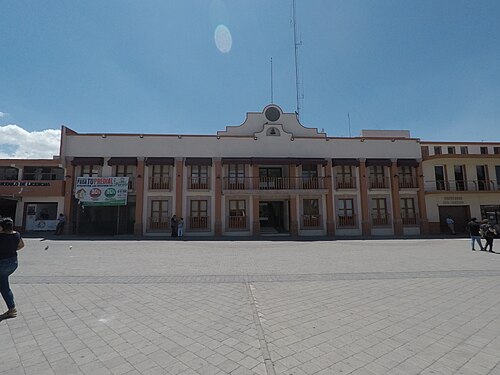
Perote is a city located in the state of Veracruz, Mexico, positioned at an elevation of approximately 2,400 meters (7,874 feet) above sea level. This strategic altitude contributes to its temperate climate, characterized by cool winters and mild summers, which promotes agricultural activities, particularly in the cultivation of crops such as maize and beans. The city is part of the municipality of the same name, which encompasses several surrounding communities. Historically, Perote has been significant for its geographical location as a crossroads for transportation and trade, linking different regions of Veracruz.
Founded in the early colonial period, Perote has a rich cultural and historical background. Its name is derived from the Nahuatl word "Perot," meaning "a place of much water," highlighting the area's natural resources. The city is particularly known for the Fort of San Carlos, a military fortress built in the 18th century to defend against pirate attacks and later used during various military engagements. This historical site is a focal point for visitors, reflecting the city's past and its strategic importance in Mexican history. In addition to its historical sites, Perote's local traditions are vibrant, featuring customs and festivals that echo the indigenous and colonial heritage of the region.
Economically, Perote relies on agriculture, trade, and tourism. The agricultural sector plays a crucial role in providing sustenance not only for the local population but also for nearby urban areas. The market in Perote is a bustling hub where agricultural products are exchanged, fostering local commerce. Additionally, the city's proximity to major highways enhances its significance as a center for trade, connecting it to larger cities such as Veracruz City and Puebla. As a urban center, Perote also supports small businesses and crafts, contributing to its economic diversity. Over the years, the city has seen slow but steady growth, benefiting from its scenic landscapes and cultural heritage that attract tourists and researchers interested in Mexican history and culture.
Facts about Perote
- error