Pervouralsk, Russian Federation
- 133,600 people
- 4 places to visit
- 56.9047, 59.943
Places to Visit (4)
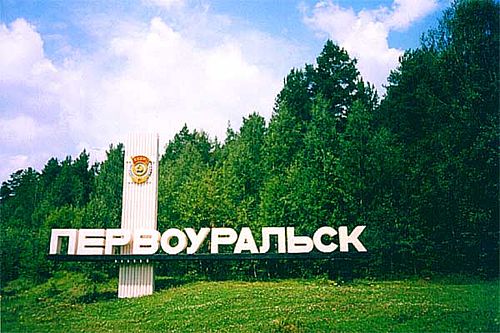
Pervouralsk is a city located in the Sverdlovsk Oblast of the Russian Federation, approximately 20 kilometers northeast of Yekaterinburg, one of Russia's largest cities. Founded in 1773, the city emerged as an industrial hub, primarily due to its rich mineral resources, particularly iron ore. The establishment of the Pervouralsk Metallurgical Plant in 1942 significantly contributed to its industrial growth, providing a substantial boost to the local economy and offering employment opportunities for many residents. As a result, the city's population grew, peaking at around 80,000 in the late 1980s.
Pervouralsk is characterized by its diverse economy, which includes metallurgy, machinery, and chemical production. The city is also known for its contribution to scientific research, particularly in the fields of materials science and metallurgy. The municipal administration places emphasis on improving the quality of life for residents, focusing on infrastructure development, education, and healthcare services. The architectural landscape of Pervouralsk features a blend of Soviet-era and modern buildings, reflecting its historical evolution while embracing contemporary influences. The surrounding natural beauty, including the Ural Mountains, offers residents and visitors opportunities for outdoor recreation, further enhancing the city’s appeal as a place to live and work.
Culturally, Pervouralsk hosts various events and festivals that celebrate local traditions and the arts, fostering a sense of community among its inhabitants. The city is served by public transportation systems that facilitate commuting to nearby urban centers, making it a strategic location for those who wish to balance residential tranquility with urban accessibility. Overall, Pervouralsk represents a blend of industrial heritage and modern development, continuing to evolve while maintaining its unique character within the Russian landscape.
Facts about Pervouralsk
- Pervouralsk is known for its unique location at the confluence of the Ural Mountains and the West Siberian Plain, offering a distinct geographical feature within the Russian Federation.
- The city was founded in 1728 as a settlement to support the nearby copper industry, making it one of the oldest industrial centers in the Ural region.
- Pervouralsk is home to the largest copper smelting plant in the Urals, the Pervouralsk New Pipe Plant, which significantly contributed to the city's economy and industrial heritage.
- The city features a unique wooden church, the Church of the Resurrection of Christ, which showcases traditional Russian architecture and has been preserved since the early 20th century.
- Pervouralsk hosts the annual 'Ural Music Fest,' which attracts various artists and is a significant cultural event in the region, promoting local talents and music.
- The city is known for its rich mineral resources, including deposits of mica and talc, which play a crucial role in industrial applications.
- Pervouralsk has a diverse population, highlighting the blend of ethnic groups that enrich the city's cultural fabric, especially among the Ural Tatars and Russians.
- The city was part of the famous construction of the Great Siberian Railway, which connected Pervouralsk to major cities and contributed to its growth.
- Pervouralsk is situated near the Ural River, providing natural beauty and recreational opportunities, including hiking and fishing in the picturesque landscapes.
- The city is recognized for its vibrant arts scene, with various theaters, galleries, and cultural institutions that promote local artists and cultural heritage.