Petaẖ Tiqva, Israel
- 253,529 people
- 15 places to visit
- 32.084, 34.8878
Places to Visit (15)
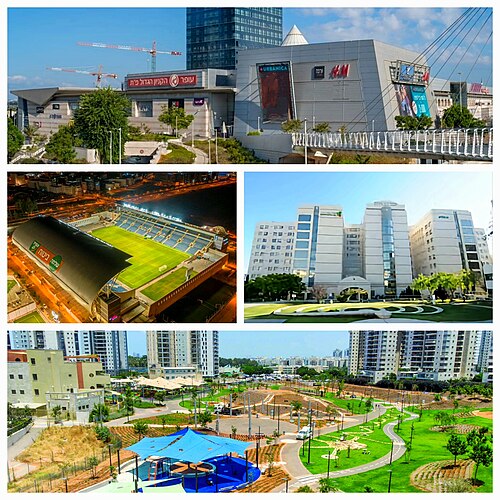
Petaẖ Tiqva, located in central Israel, is one of the country's oldest cities and has played a significant role in its development. Founded in 1878 by Jewish immigrants from Europe, it is situated just east of Tel Aviv and is part of the Gush Dan metropolitan area. The city is known for its historical significance in the Zionist movement and has evolved from an agricultural settlement into a bustling urban center. The name "Petaẖ Tiqva" translates to "Opening of Hope," which reflects the aspirations of its early founders who sought to create a thriving Jewish community in the region. Today, Petaẖ Tiqva is home to a diverse population, with a mix of Jews from various backgrounds, Arabs, and other minorities, showcasing the multicultural aspect of Israel.
Over the years, Petaẖ Tiqva has developed a robust economy, with a strong emphasis on industrial and technological sectors. The city is often referred to as a hub for high-tech industries, hosting numerous companies and start-ups, particularly in fields such as information technology, biotechnology, and pharmaceuticals. Petaẖ Tiqva is also known for its educational institutions, including several colleges and vocational schools that contribute to a skilled workforce. In addition to its economic activities, the city is characterized by its vibrant cultural scene, featuring parks, theaters, and museums that celebrate both its historical roots and contemporary life. The city's modern infrastructure, including public transportation and road networks, connects it efficiently to other major urban areas in Israel, making it an attractive place for residents and businesses alike. As Petaẖ Tiqva continues to grow, it retains its historical significance while embracing modernity and cultural diversity, reflecting the broader narrative of Israel's development.
Facts about Petaẖ Tiqva
- Petaẖ Tiqva is one of the oldest modern Jewish settlements in Israel, founded in 1878, making it a pioneer of Jewish agricultural colonization.
- The name 'Petaẖ Tiqva' translates to 'Gateway of Hope,' reflecting the aspirations of its early residents.
- The city was established on land purchased by the Jewish National Fund, emphasizing its historical significance in the Zionist movement.
- Petaẖ Tiqva is home to the Yad Labanim Museum, which commemorates the contributions of local residents who fell in military service.
- The city has a rich industrial background and was the first place in the country to develop a thriving textile industry during the early 20th century.
- Petaẖ Tiqva is known for hosting the first high school founded by the Mizrachi movement in 1922, promoting religious Zionist education.
- It has a distinct cultural scene, including the Petaẖ Tiqva Arts Museum, which showcases contemporary Israeli art and cultural events.
- Petaẖ Tiqva is often referred to as the 'City of the Firsts' due to its numerous pioneering establishments in various fields in Israel.
- The city is also recognized for its expansive parks and green spaces, including the Habonim Park, one of the largest in the area.
- Petaẖ Tiqva has a diverse population, reflecting a rich tapestry of cultures and traditions that contribute to its vibrant community.