Petatlán, Mexico
- 21,659 people
- 3 places to visit
- 17.539, -101.2702
Places to Visit (3)
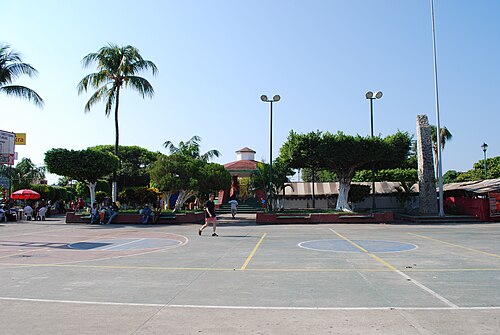
Petatlán is a municipality and town located in the state of Guerrero, Mexico. Nestled along the Pacific coast, Petatlán covers an area of approximately 1,700 square kilometers and is part of the larger Costa Grande region. The town is situated about 50 kilometers northwest of Acapulco, one of Mexico's most renowned tourist destinations. The geography of Petatlán is characterized by lush hills, agricultural fields, and a beautiful coastline that features pristine beaches. The town is accessible via the Mexican federal highway that connects Acapulco to Zihuatanejo, facilitating both tourism and commerce.
The history of Petatlán dates back to pre-Columbian times when it was inhabited by indigenous peoples such as the Nahuas. The area is rich in cultural history and heritage, with remnants of ancient civilizations still visible in nearby archaeological sites. The name "Petatlán" translates to "place of mats" in Nahuatl, referring to the traditional mats made from reeds in the area. In addition to its historical significance, Petatlán is known for its agricultural production, particularly in the cultivation of coffee, maize, and various tropical fruits. The community supports small-scale farming as well as local artisanal crafts, which contribute to the local economy and cultural identity.
Petatlán hosts various cultural events throughout the year, including the celebration of local patron saints and traditional festivals that showcase the region's vibrant music, dance, and culinary traditions. The town attracts visitors for its natural beauty, including beaches like La Barrita and Puerto Vicente Guerrero, which offer opportunities for water sports and relaxation. As a destination, Petatlán maintains a unique blend of traditional and modern influences, providing insights into both the indigenous heritage and contemporary Mexican life. With its rich history, lush landscapes, and hospitable community, Petatlán serves as a captivating representation of the diverse cultural tapestry of Guerrero.
Facts about Petatlán
- Petatlán is known for its rich history as it was an important center for the indigenous groups, particularly the Nahua, before Spanish colonization.
- The town is famous for its traditional production of handmade palm crafts, particularly palm hats and mats, which reflect the local craftsmanship and cultural heritage.
- Petatlán houses the historical Church of San Pedro, a beautiful colonial-era church that showcases unique architecture and art from the 17th century.
- The annual Festival of Saint Pedro, celebrated in June, is a significant cultural event that attracts visitors and showcases local traditions, music, and dance.
- Petatlán is part of the coastal region known as the Costa Grande and boasts beautiful beaches that are less commercialized compared to other tourist destinations in Mexico.
- The town is located near the Sierra Madre del Sur mountain range, providing opportunities for ecotourism and outdoor activities, such as hiking and bird watching.
- Petatlán is renowned for its agricultural outputs, especially in the production of coconuts, bananas, and tropical fruits, supporting the local economy.
- The nearby community of La Barra de Petatlán offers a unique ecological reserve where tourists can witness diverse marine life and participate in eco-friendly activities.
- Petatlán is included in the state of Guerrero, which is known for its rich ancestral heritage and traditions that blend indigenous and Spanish cultures.
- The town has a unique blend of traditional Mexican culture and local traditions, making it an interesting and distinct destination compared to more commercialized areas.