Petrila, Romania
- 25,234 people
- 6 places to visit
- 45.4438, 23.4094
Places to Visit (6)
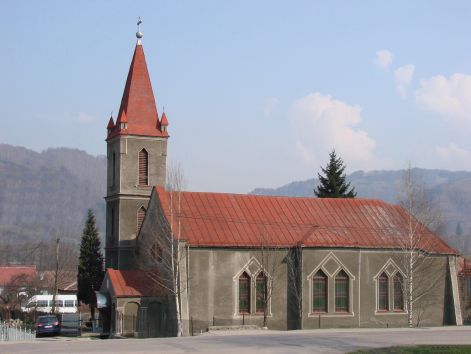
Petrila is a small town located in the Hunedoara County of Romania, nestled in the picturesque region of Transylvania. It is situated in the Jiu Valley, surrounded by the stunning Carpathian mountains. Historically, Petrila was established in the mid-19th century and developed primarily as a mining town, owing to the discovery of coal reserves in the area. The presence of coal mining propelled its growth and population, attracting workers and their families from various parts of Romania and beyond. At its peak, the town was a hub for mining activities, which played a significant role in the industrial development of the Jiu Valley.
With the decline of the mining industry in the late 20th century, Petrila faced economic challenges, resulting in population decline and the closure of many mining operations. However, the town's rich heritage is evident in its architecture and cultural traditions. Petrila is known for its historic buildings, including the old mining infrastructure, which reflects the town's industrial past. The local community remains resilient and is working towards revitalization efforts to maintain the town's cultural significance and improve economic prospects. Environmental efforts have also gained prominence, focusing on reclaiming former mining areas for recreational use and promoting sustainable practices. Despite its challenges, Petrila's unique history and natural beauty make it a noteworthy example of post-industrial transformation in Romania.
Facts about Petrila
- Petrila is known for its significant historical ties to coal mining, playing a crucial role in Romania's industrial development during the 20th century.
- The town hosts the Petrila Mining Museum, which showcases the history of coal mining and the life of miners in the region.
- Petrila is located in the Jiu Valley, an area that was once one of the most important coal mining regions in Romania, contributing to the country's energy production.
- The town is home to the famous Petrila Church, built in 1862, which is an example of neo-Gothic architecture and serves as a cultural landmark.
- Petrila hosts an annual festival called 'Days of the Petrila Community,' which celebrates local culture, traditions, and the heritage of the mining community.
- The city played a pivotal role during the Romanian Revolution of 1989, with citizens actively participating in protests against the communist regime.
- Petrila is not only known for its industrial history but also for its natural beauty, being surrounded by the Retezat Mountains, which is a popular destination for outdoor activities.
- The town is a part of the historic region of Transylvania, adding to its cultural richness and diversity compared to other parts of Romania.
- Petrila is noted for its unique architectural styles reflecting both its industrial past and the influences of various architectural movements over the decades.
- It has a small but vibrant community that takes pride in preserving local traditions, including folk art and crafts, which helps distinguish it from larger urban areas.