Petroúpolis, Greece
- 58,979 people
- 9 places to visit
- 38.0394, 23.6814
Places to Visit (9)
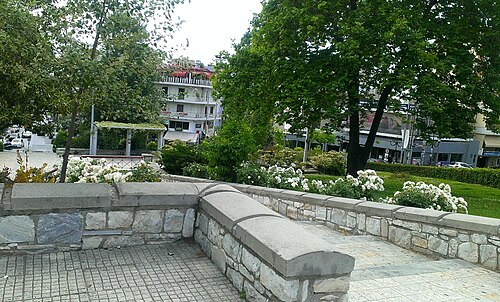
Petroúpolis, a city in Greece, is located in the western part of the country, specifically in the region of Attica. Known for its rich history and vibrant culture, it lies at the foot of Mount Hymettus, which contributes to its picturesque landscapes. The city is part of the larger metropolitan area of Athens and serves as a suburban area that has seen significant development since the mid-20th century. Petroúpolis boasts a population of approximately 80,000 residents, making it one of the more populous suburbs of the Greek capital. The city's strategic location allows for easy access to Athens, fostering a blend of urban and suburban living, and making it a desirable place for families and professionals seeking a quieter environment while remaining close to the city’s amenities.
Historically, Petroúpolis has roots that trace back to classical antiquity, but it gained prominence during the Greek War of Independence in the early 19th century. The area is particularly noted for the contributions of important figures in the war, such as the revolutionary leader Theodoros Kolokotronis, whose house still stands in the city today and serves as a museum. The architectural landscape of Petroúpolis is a mix of modern constructions and neoclassical buildings, reflecting the city’s evolution over the years. Additionally, Petroúpolis is known for its lush parks, squares, and recreational areas, providing residents with ample opportunities for outdoor activities. The city's vibrant community life is further enriched by local markets, cafes, and cultural events, contributing to a strong sense of identity and cohesion among its inhabitants. Overall, Petroúpolis combines historical significance with contemporary urban life, making it an intriguing destination within Greece.
Facts about Petroúpolis
- Petroúpolis is known as the birthplace of the Greek War of Independence, with the nearby town of Arachova serving as a crucial site for revolutionary activity.
- The city has a unique architectural blend, featuring neoclassical buildings alongside traditional Greek homes, highlighting its historical significance.
- Petroúpolis is home to the iconic church of Agios Dimitrios, which showcases exquisite Byzantine-style mosaics, a rare find in the region.
- The municipality is also famous for its rich natural surroundings, including the Parnitha mountain range, offering numerous hiking trails and outdoor activities.
- Petroúpolis hosts an annual festival celebrating the Greek Revolution, drawing visitors and honoring the local heroes who fought for independence.
- The city has several museums, including the Museum of the City of Petroúpolis, dedicated to preserving the history of the area and its impact on Greek culture.
- Petroúpolis was a significant center for the textile industry in the 19th century, contributing to the economic development of the region.
- A notable landmark is the Palace of the Bishop of Petroúpolis, which is a striking example of ecclesiastical architecture and an important religious site.
- Petroúpolis is known for its vibrant arts scene, with numerous galleries showcasing both contemporary and traditional Greek art.
- The city is also recognized for its efforts in sustainability and environmental conservation, leading various green initiatives to protect its natural resources.