Pfaffenhofen an der Ilm, Germany
- 23,192 people
- 15 places to visit
- 48.5275, 11.5124
Places to Visit (15)
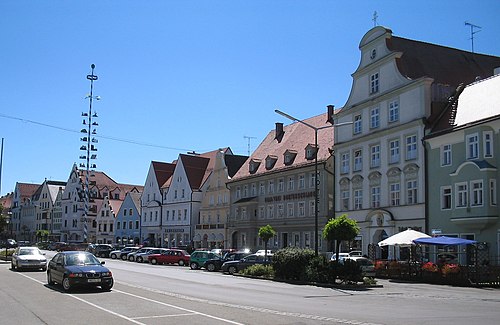
Pfaffenhofen an der Ilm is a charming town located in Bavaria, Germany, situated approximately 50 kilometers (31 miles) north of Munich. This town lies on the banks of the River Ilm, which flows into the Danube, providing a picturesque setting for its residents and visitors alike. With a population of around 25,000 people, Pfaffenhofen is known for its rich history, vibrant culture, and friendly community atmosphere. The town boasts a range of historical buildings, including the beautiful neo-Gothic town hall, which was completed in 1892, and several ancient churches that reflect its architectural heritage.
The economy of Pfaffenhofen is diverse, with a mix of agriculture, manufacturing, and service industries. The region is particularly famous for its strong emphasis on sustainability and innovation, which is evident in its various local enterprises and initiatives. Pfaffenhofen is often recognized for its commitment to environmental sustainability, including a focus on renewable energy and eco-friendly practices. The town has been awarded multiple accolades for its efforts to promote green living, attracting environmentally conscious residents and businesses. In addition to economic activities, the town is rich in cultural life, hosting various festivals, events, and markets throughout the year, which encourage community engagement and showcase local traditions. The annual Pfaffenhofen Fair, for example, draws crowds from the surrounding areas, celebrating local crafts, food, and music.
Pfaffenhofen's location offers easy access to both urban and rural experiences. The town is well-connected by public transport, particularly through the regional rail network, which facilitates commuting to Munich and surrounding cities. Outdoor enthusiasts can enjoy numerous recreational activities, including cycling and hiking along the scenic paths that meander through the surrounding countryside. Surrounded by beautiful landscapes and historical sites, Pfaffenhofen an der Ilm provides a harmonious blend of modern living and traditional Bavarian charm, making it an attractive place to live, work, and visit.
Facts about Pfaffenhofen an der Ilm
- Pfaffenhofen an der Ilm is known for its unique brewery culture, being home to several traditional breweries that produce a variety of local beers.
- The town hosts the historic Pfaffenhofen windmill, which is one of the last operational windmills in Bavaria and a symbol of the town's agricultural heritage.
- Pfaffenhofen became a prominent transportation hub with the construction of the railway line in the 19th century, which significantly boosted its economic development.
- The city is distinguished by its vibrant arts scene, including the annual Pfaffenhofen Culture Week, which showcases local artists and performers.
- Pfaffenhofen an der Ilm has a special focus on sustainability, exemplified by its numerous eco-friendly initiatives and solar energy installations.
- The Pfaffenhofen Christmas Market is renowned for its charm and typically features traditional Bavarian crafts, food, and festive music, attracting visitors from across the region.
- The town's historical architecture is highlighted by the St. John the Baptist Parish Church, which boasts a remarkable Baroque style and an impressive wooden ceiling.
- Pfaffenhofen has been recognized for its family-friendly environment, with a range of parks, recreational facilities, and educational opportunities that appeal to young families.
- The city's proximity to Munich, about 50 kilometers away, allows it to enjoy both a peaceful small-town atmosphere and access to the cultural richness of Bavaria's capital.
- Pfaffenhofen celebrates its unique local dialect and traditions, which offer a distinct cultural identity compared to other towns in Bavaria.