Phnom Penh, Cambodia
- 1,573,544 people
- 13 places to visit
- 11.5564, 104.9282
Places to Visit (13)
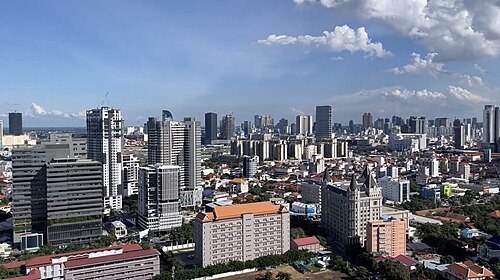
Phnom Penh, the capital and largest city of Cambodia, is a vibrant metropolis situated at the confluence of the Mekong, Tonle Sap, and Bassac rivers. Known for its rich history and cultural heritage, the city has been an important center of trade and politics for centuries. Founded in the 15th century, Phnom Penh served as the capital of Cambodia during the Khmer Empire before being relocated to Longvek. It regained its status in the late 19th century under French colonial rule, leading to significant infrastructure and architectural development that is still evident today.
The city features a mix of traditional Khmer and colonial French architecture, with notable landmarks such as the Royal Palace, which houses the Silver Pagoda adorned with over 5,000 silver tiles, and the National Museum of Cambodia, which showcases a vast collection of Khmer art and artifacts. As a cultural hub, Phnom Penh embraces numerous festivals and events, reflecting the traditions of the Khmer people. The street life in Phnom Penh is vibrant, with bustling markets such as the Central Market and the Russian Market, where locals and tourists alike can find a variety of goods, from fresh produce to handicrafts. The city's cuisine is diverse, showcasing both traditional Khmer dishes and international influences, making it a gastronomic destination.
Despite its tumultuous past, particularly during the Khmer Rouge regime in the 1970s, Phnom Penh has undergone significant transformation and revival in recent years. The city has experienced rapid economic growth, becoming a center for commerce, education, and tourism in Southeast Asia. The population has been on the rise, with urban migration contributing to a dynamic and youthful demographic. Additionally, Phnom Penh has positioned itself as a gateway to the rich cultural and historical sites of Cambodia, including the ancient temple complex of Angkor Wat, attracting millions of visitors each year. Today, Phnom Penh is a bustling city that embodies the resilience and spirit of the Cambodian people, making it a unique and essential part of Southeast Asia.
Facts about Phnom Penh
- Phnom Penh is the capital and largest city of Cambodia, serving as the political, economic, and cultural center of the country.
- The city is known for the stunning Royal Palace, which serves as the official residence of the King of Cambodia and features beautiful Khmer architecture.
- Phnom Penh is home to the National Museum of Cambodia, which houses one of the world's largest collections of Khmer artifacts and is a vital center for preserving the country's cultural heritage.
- The city experienced a tragic history during the Khmer Rouge regime in the 1970s, with significant remnants of this period still present in landmarks like the Tuol Sleng Genocide Museum.
- Phnom Penh sits at the confluence of three rivers: the Tonle Sap, Mekong, and Bassac, making it geographically unique and providing vital water routes for transport and trade.
- The city is renowned for its vibrant street food culture, offering dishes like Amok and Num Banh Chok which reflect the rich culinary traditions of Cambodia.
- Phnom Penh has a mix of modern and colonial architecture, with notable buildings like the Central Market and the Independence Monument symbolizing this blend.
- The city hosts the annual Water Festival (Bon Om Touk), which celebrates the reversing of the Tonle Sap River and is one of the most significant events in Cambodian culture.
- Phnom Penh has a rapidly developing economy and is known for its burgeoning startup scene, particularly in sectors like technology and tourism.
- The city features vibrant markets, such as the Russian Market (Tuol Tom Poung Market), known for its wide range of local goods, crafts, and delicious street food.