Piacenza, Italy
- 103,607 people
- 14 places to visit
- 45.0526, 9.6937
Places to Visit (14)
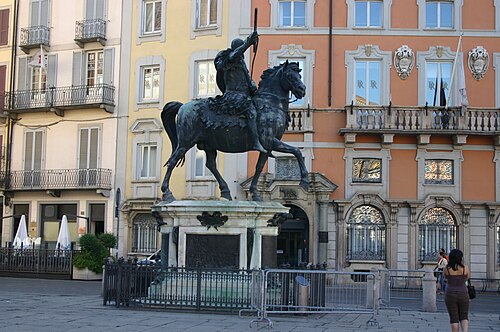
Piacenza is a city located in the Emilia-Romagna region of northern Italy, positioned near the banks of the Po River. It serves as the capital of the Province of Piacenza and is situated approximately 70 kilometers (43 miles) southwest of Milan. With a rich history that dates back to its founding by the Romans in 218 BC, Piacenza has been an important agricultural and commercial center throughout the centuries. The city thrived during the Middle Ages, becoming a key player in the conflicts between the Guelphs and Ghibellines, and later prospering under the influence of various noble families, including the Malaspina and the Farnese.
Architecturally, Piacenza features a blend of Roman, medieval, and Renaissance styles, with notable landmarks such as the Romanesque Cathedral of Piacenza, dedicated to Santa Maria Assunta, and the nearby Palazzo Farnese, a grand Renaissance palace that now houses museums and art collections. The city is also known for its vibrant urban life, with various squares, bustling markets, and a number of events that celebrate its culinary traditions and cultural heritage. Piacenza's gastronomy is renowned for its local products, including the sweet salami known as "coppa" and the cheese "grana padano." The city hosts an enjoyable mix of outdoor markets, inviting cafes, and traditional eateries, making it a lively place for both residents and visitors.
Economically, Piacenza benefits from its strategic location as a transportation hub, facilitating trade and commerce between northern and southern Italy. The city has a diverse economy that includes agriculture, manufacturing, and logistics. Its proximity to major highways and railroads enhances its role as a logistical center, contributing to its development as an important economic player in the region. With its unique combination of historical charm, cultural richness, and economic vitality, Piacenza continues to maintain its significance in the landscape of Italian cities.
Facts about Piacenza
- Piacenza is known for its strategic location at the confluence of the Po and Trebbia rivers, making it a historic hub for trade and transportation.
- The city features a well-preserved medieval city center, including the stunning Piazza Cavalli, which is home to the iconic Statues of the Bronzes.
- Piacenza boasts a rich culinary heritage, famous for its salami, specifically the 'Salame Piacentino', which is recognized by its PGI status.
- It is the birthplace of the renowned Roman poet 'Vita di San Bonifacio', a key figure in early Christian literature in Italy.
- The Cathedral of Piacenza, also known as the Duomo, showcases a unique blend of Romanesque and Gothic architectural styles.
- The city is home to one of the oldest continuing horse fairs in Italy, the 'Fiera di San Giuseppe', which dates back to the 18th century.
- Piacenza played a crucial role in the Italian resistance movement during World War II, making it a significant location for historical tours related to the war.
- The Palazzo Farnese in Piacenza houses the city's archaeological museum and art collections, set in a stunning Renaissance palace.
- Piacenza is celebrated for its extensive wine production, particularly the wines made from the indigenous Gutturnio grape variety.
- The city has a unique tradition of hosting a Palio, which is a historical horse race held annually, reflecting its deep-rooted cultural practices.