Pikine, Senegal
- 874,062 people
- 1 places to visit
- 14.7589, -17.3938
Places to Visit (1)
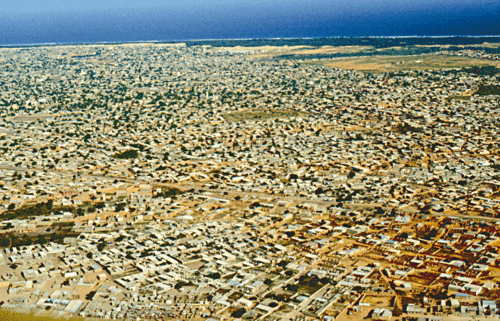
Pikine is a prominent city located in the Dakar Region of Senegal, situated just northeast of the capital city, Dakar. As one of the urban communes in the region, Pikine serves as a significant residential and commercial hub, accommodating a large population that is estimated to exceed 500,000 residents. The city has grown rapidly due to migration from rural areas, driven by individuals seeking better economic opportunities and improved living conditions. This influx has contributed to Pikine's development as a vital part of the Greater Dakar metropolitan area, characterized by a blend of urbanization and ongoing challenges associated with rapid population growth, such as housing shortages and infrastructure limitations.
Pikine's economy is primarily driven by informal trade, small-scale enterprises, and agricultural activities within its periphery. The city has numerous markets and business centers that cater to the daily needs of its inhabitants, facilitating commerce and contributing to the local economy. Despite its bustling commercial life, Pikine faces significant socio-economic challenges, including high unemployment rates and limited access to basic services such as education, healthcare, and sanitation. The government and various organizations have implemented initiatives aimed at addressing these issues, yet the rapid growth of the city poses ongoing challenges for urban planning and service delivery. Culturally, Pikine is a melting pot of ethnic groups and traditions, fostering a rich tapestry of social life that is reflected in its vibrant music, art, and communal events.
Facts about Pikine
- Pikine is one of the largest suburbs of Dakar, the capital city of Senegal, and has a unique blend of urban and rural characteristics.
- Historically, Pikine was established in the 1970s as a response to urban migration from rural areas, making it a symbol of rapid urbanization in Senegal.
- The city is known for its vibrant markets, particularly the Pikine Market, which offers a variety of local goods, food, and crafts, differing from more tourist-oriented markets in Dakar.
- Pikine is home to several cultural festivals, including the annual 'Messe de Pikine,' which showcases local music and dance, reflecting the rich cultural heritage of the region.
- One of Pikine's distinctive features is its diverse population, which includes a mix of ethnic groups such as Wolof, Pulaar, and Serer, contributing to its multicultural atmosphere.
- Pikine hosts the municipal stadium, Stade Alassane Djigo, which is a focal point for local sports events and community gatherings, promoting sports development in the area.
- The city is also known for its active civil society, with numerous local organizations working on community development and social issues, distinguishing it from more politically centralized areas.
- Pikine has several educational institutions, including the University of Pikine, which aims to provide accessible higher education for residents and nearby communities.
- The city's name, Pikine, is derived from the Wolof word meaning 'a place where there is water,' highlighting its original geographical significance before urban expansion.
- Pikine has seen rapid infrastructural development in recent years, with new roads and public transport options being introduced to improve connectivity with Dakar and surrounding areas.