Piła, Poland
- 75,532 people
- 10 places to visit
- 53.151, 16.7382
Places to Visit (10)
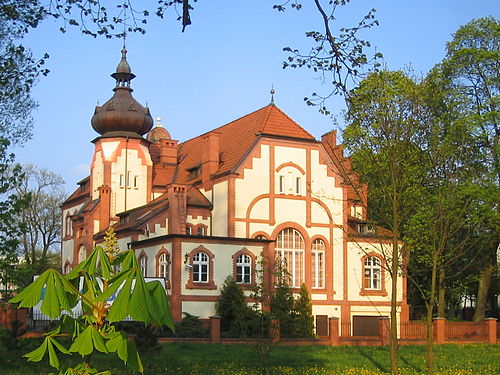
Piła is a city located in northwestern Poland, in the Greater Poland Voivodeship. It lies along the banks of the Gwda River, approximately 90 kilometers from Poznań, the regional capital, and close to the borders of the Pomeranian Voivodeship. With a population of around 70,000, Piła serves as an important industrial and commercial hub. The city is distinguished by its rich history, which dates back to the 13th century, when it was first documented in historical records. Throughout its history, Piła has experienced various influences due to its strategic location, leading to periods of growth and decline, particularly impacted by the partitions of Poland and World Wars I and II.
The city features several notable architectural landmarks that reflect its varied history, including the neo-Gothic St. John’s Church, which dates back to the 19th century, and the historic railway station, which was established in the late 19th century. Piła also serves a vital role in the regional economy, with industries ranging from manufacturing to services, along with an emerging technology sector. The city is well-connected through a network of roads and rail, enhancing its position as a transit point for goods and people. Additionally, Piła is surrounded by picturesque landscapes, including forests and lakes, making it an attractive destination for outdoor enthusiasts. The cultural life of the city is vibrant, with various events, theaters, and institutions contributing to the local identity and community engagement. Overall, Piła is a city that balances its historical legacy with modern development, making it a significant player in the Greater Poland region.
Facts about Piła
- Piła is known for its unique location at the confluence of rivers Gwda and Płonia, which has historically made it a key trading point in northern Poland.
- The city has a rich industrial heritage, particularly in the wood processing and furniture industries, earning it the nickname 'the city of the future'.
- Piła is home to the historic 19th-century railway station, which is one of the oldest in Poland and an important transport hub connecting various regions.
- The city celebrates the 'Piła Jazz Festival', which attracts jazz musicians and enthusiasts from all over Poland and beyond, showcasing the city's cultural vibrancy.
- Piła's urban layout features numerous beautiful parks and green spaces, including the stunning Puszcza Notecka forest, known for its biodiversity and recreational opportunities.
- The iconic St. John the Baptist Cathedral in Piła, built in the late Gothic style, stands as a significant religious and architectural landmark in the region.
- During World War II, Piła was a strategic military location, which has influenced its historical development and urban architecture.
- Piła has a population that is relatively youthful, with a significant number of residents being students at local educational institutions, adding to the city's vibrant atmosphere.
- The 'Historical Museum in Piła' exhibits local history, cultural artifacts, and contributions of the residents, helping preserve the city's unique heritage.
- Piła hosts an annual 'Pilska Mid-March Parade', which is a colorful event celebrating local culture, music, and community spirit, drawing visitors from across the region.