Pīlibhīt, India
- 131,008 people
- 3 places to visit
- 28.6249, 79.8075
Places to Visit (3)
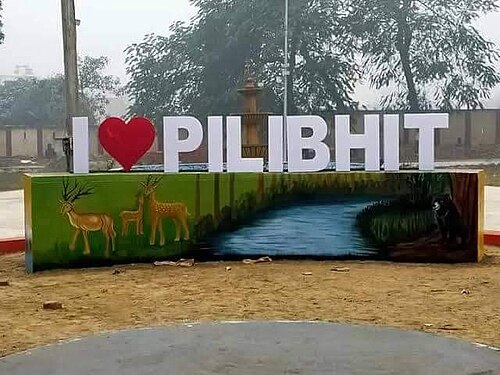
Pīlibhīt is a city located in the northern Indian state of Uttar Pradesh, serving as the administrative headquarters for the Pīlibhīt district. The city is positioned near the banks of the Gomti River and lies approximately 262 kilometers from the state capital, Lucknow, and around 87 kilometers from the larger city of Bareilly. Pīlibhīt is well-connected by road and rail, making it accessible to various parts of the region. The population of Pīlibhīt is diverse, consisting primarily of communities engaged in agriculture, trade, and services. The demographic profile of the city reflects a mix of cultures, languages, and traditions, primarily influenced by Hinduism and Islam.
Pīlibhīt is known for its rich cultural heritage and historical significance, with roots tracing back to ancient times. The city has several attractions, including temples and monuments that showcase its historical architecture. Among these is the ancient temple of Narsingh Deva, famous among devotees. The region around Pīlibhīt is also recognized for its natural beauty and wildlife, as the nearby Pilibhit Tiger Reserve serves as a critical habitat for various species, including the Bengal tiger. Agriculture plays a significant role in the local economy, with crops such as sugarcane, wheat, and rice being prominent. The area benefits from a favorable climate and fertile land, contributing to its agricultural productivity. Overall, Pīlibhīt is a city that embodies a blend of tradition, natural beauty, and economic activity, reflecting the characteristics of rural north India.
Facts about Pīlibhīt
- Pīlibhīt is famed for its rich biodiversity, as it is home to the Pīlibhīt Tiger Reserve, which supports a significant population of the Bengal tiger and various other wildlife species.
- The city is historically known for its Mughal architecture, with several ancient structures and forts that reflect the cultural amalgamation of the region.
- Pīlibhīt is located on the banks of the Sharda River, which has historically been a crucial source of water and a significant aspect of the town's settlements and agriculture.
- Pīlibhīt is notable for being one of the original districts of the United Provinces, established during the British colonial period in the early 20th century.
- The city hosts the 'Baisakhi Mela', a traditional harvest festival that draws visitors from across the region, showcasing local culture, food, and crafts.
- Pīlibhīt is known for its unique cuisine, particularly its preparation of biryani and various meat dishes, which reflect the culinary traditions of both Hindu and Muslim communities.
- The city has been a significant center for the printing of Urdu literature, playing a crucial role in the cultural and literary movements of the 20th century in North India.
- Pīlibhīt has unique wooden crafts, particularly intricate woodwork and carvings, which are crafted by local artisans and often include decorative elements from nature.
- The lush agricultural landscape surrounding Pīlibhīt is known for its production of rice and sugarcane, contributing to the regional economy and food supply.
- Pīlibhīt is the birthplace of several notable figures in Indian literature and politics, contributing to its identity as a culturally significant town.