Pilsen, Czechia
- 168,733 people
- 18 places to visit
- 49.7384, 13.3736
Places to Visit (18)
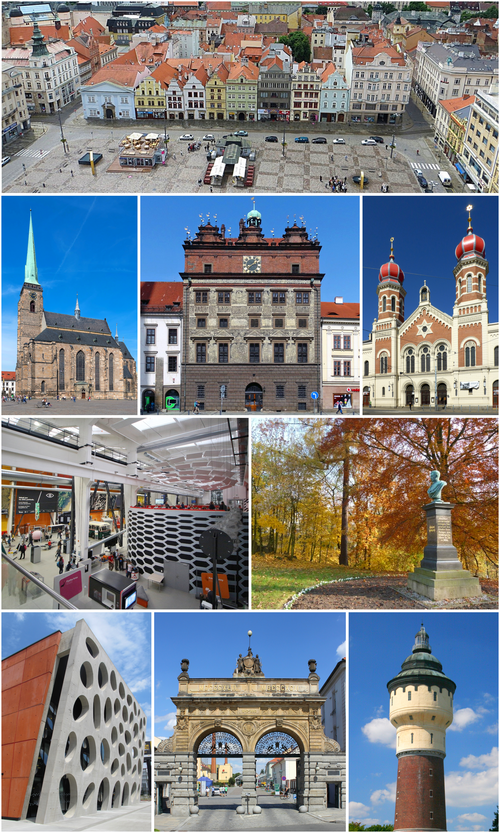
Pilsen, known as Plzeň in Czech, is a city located in the western part of Czechia, approximately 90 kilometers west of Prague. With a population of around 170,000, it is the fourth largest city in the country. Pilsen is renowned for its rich history, which dates back to its founding in 1295 by the Czech King Wenceslaus II. The city's strategic location at the confluence of four rivers—Radbuza, Mže, Úhlava, and Úslava—facilitated trade and transport, contributing to its growth and economic development. It became an important center for commerce, crafts, and trade in the region, particularly during the late medieval period.
Pilsen is perhaps best known worldwide as the birthplace of Pilsner beer. In 1842, German brewer Josef Groll created the first pale lager in the city's newly constructed Pilsner Urquell brewery, which set the standard for pale lagers globally. The beer's innovative brewing process and distinct taste established Pilsen as a vital hub in the global beer industry, attracting millions of tourists each year who visit its breweries and participate in beer-tasting tours. The city celebrates its brewing heritage with numerous beer festivals, including the Pilsner Fest, which attracts both locals and international visitors.
Architecturally, Pilsen offers a mix of Gothic, Renaissance, and Baroque styles, exemplified by the stunning St. Bartholomew's Cathedral, notable for its tall tower that dominates the city skyline. The Great Synagogue, one of the largest synagogues in Europe, reflects the city's Jewish heritage and architectural significance. The historical city center, with its vibrant squares and well-preserved buildings, is a UNESCO World Heritage site. Beyond its historical and cultural landscape, Pilsen is also known for its modern advancements, being home to various industries and educational institutions, including the University of West Bohemia. This blend of tradition and modernity makes Pilsen a unique and dynamic city, celebrating its past while embracing future growth.
Facts about Pilsen
- Pilsen is the birthplace of Pilsner beer, with the first batch brewed in 1842, which set the standard for lagers worldwide.
- The city is home to the Pilsner Urquell Brewery, the world's first pale lager brewery, which offers public tours and tastings.
- Pilsen hosts the annual Pilsner Fest, a vibrant celebration of the city's brewing heritage, attracting beer enthusiasts from around the globe.
- The Great Synagogue in Pilsen, built in the late 19th century, is the second-largest synagogue in the world, showcasing stunning Moorish Revival architecture.
- Pilsen is known for its rich industrial history and was a center for Czech engineering, particularly in the production of machinery and textiles during the 19th century.
- The city features the historic Pilsen Underground, a network of tunnels and corridors dating back to the 14th century, which can be explored on guided tours.
- Pilsen was designated a European Capital of Culture in 2015, emphasizing its cultural significance and vibrant arts scene.
- The city is home to the West Bohemian Gallery, showcasing contemporary art and hosting various exhibitions and cultural events.
- Pilsen's main square, náměstí Republiky, is one of the largest town squares in the Czech Republic and features impressive historical architecture.
- Pilsen is also known for its rich musical tradition, with the Pilsner Philharmonic Orchestra performing regularly and contributing to the city's cultural life.