Pinar del Río, Cuba
- 186,990 people
- 4 places to visit
- 22.4134, -83.688
Places to Visit (4)
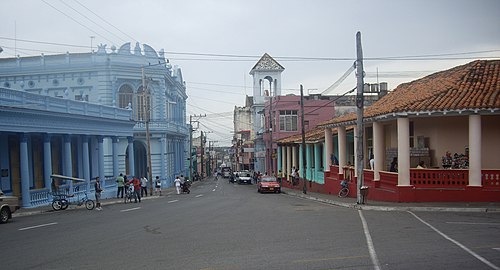
Pinar del Río is the capital city of the Pinar del Río province in western Cuba. Known for its rich natural resources and lush landscapes, this city is situated approximately 145 kilometers (90 miles) west of Havana, nestled at the foothills of the Sierra de los Organos mountain range. The region is characterized by its limestone formations, green valleys, and fertile soils, making it a crucial area for agriculture. Pinar del Río is particularly famous for producing high-quality tobacco, which is essential for Cuba's renowned cigar industry. The city's economy is largely driven by agriculture, with significant contributions from the cultivation of coffee, fruits, and vegetables.
Founded in the early 19th century, Pinar del Río has a historical background that reflects various cultural influences. The city features colonial architecture, with many buildings dating back to that period, showcasing Spanish styles blended with local elements. As a cultural hub, it plays host to various festivals celebrating music, art, and literature, contributing to the island's rich cultural tapestry. Furthermore, Pinar del Río is near several natural attractions, including Viñales Valley, a UNESCO World Heritage Site known for its dramatic landscapes and traditional tobacco farming methods. The region's eco-tourism opportunities make it a popular destination for visitors seeking to explore Cuba's unique geography and biodiversity. With its combination of natural beauty, cultural significance, and economic importance, Pinar del Río stands out as a vital city in Cuba's landscape.
Facts about Pinar del Río
- Pinar del Río is known as the tobacco capital of Cuba, producing some of the world's finest cigars due to its ideal climate and rich soil.
- It is home to Viñales Valley, a UNESCO World Heritage site famous for its unique limestone formations known as 'mogotes' and traditional tobacco farms.
- The city has a significant historical connection to the Cuban War of Independence, with several important battles fought in the surrounding region.
- Pinar del Río is celebrated for its beautiful natural landscapes, including the Sierra de los Órganos mountains and the expansive Parque Nacional Viñales.
- The region has a rich cultural heritage, featuring traditional music styles such as son and rumba, which are deeply rooted in local customs.
- Pinar del Río hosts the Festival Internacional de Cine Pobre, an event that promotes low-budget films and independent filmmakers from around the world.
- The area is home to a unique botanical garden dedicated to the preservation of Cuba's endemic plant species, showcasing its rich biodiversity.
- Pinar del Río is the westernmost province of Cuba and serves as a gateway to the beautiful beaches of Cayo Levisa and Cayo Jutías.
- The city features the historic Castillo de los Tres Reyes del Morro, which was built in the 17th century to protect the region from pirate attacks.
- Pinar del Río was the birthplace of renowned Cuban writer José Martí, who is a national hero and an important figure in Latin American literature.