Pindamonhangaba, Brazil
- 132,218 people
- 6 places to visit
- -22.9264, -45.462
Places to Visit (6)
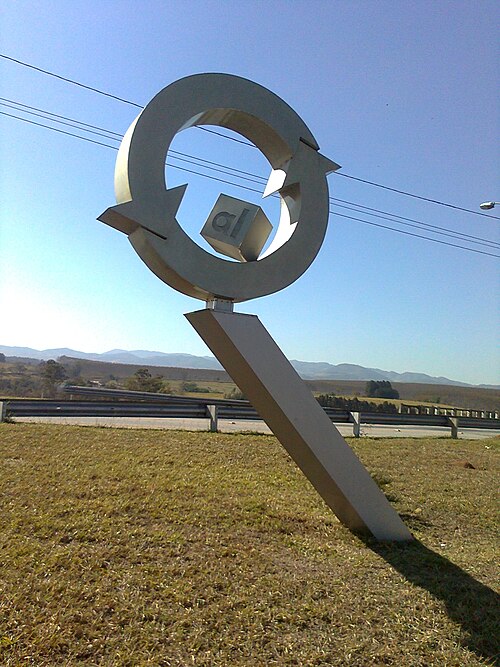
Pindamonhangaba is a municipality located in the state of São Paulo, Brazil. Situated approximately 150 kilometers northeast of the state capital, São Paulo City, it is part of the Greater Metropolitan Area of São Paulo. The city lies at the confluence of several rivers, including the Paraíba do Sul, which has historically contributed to its development. With a population of around 160,000 residents, Pindamonhangaba is known for its rich history and significant economic activity, largely centered around agriculture, commerce, and industry. The city's founding dates back to the 19th century, and it is one of the oldest municipalities in the region, officially established in 1856.
The economy of Pindamonhangaba has evolved over time, initially driven by agriculture, particularly coffee cultivation, which fueled its growth during the 19th century and early 20th century. Today, the city has diversified its economic base, with industries producing textiles, furniture, and machinery. Pindamonhangaba also benefits from its strategic location, as it serves as a logistical hub due to its proximity to major highways and railroads, facilitating trade and transportation in the region. The local government has invested in infrastructure and services to enhance the quality of life for its residents, focusing on education, healthcare, and public safety.
Pindamonhangaba features a blend of modern urban development and traditional Brazilian culture. The city hosts various cultural events and festivals throughout the year, showcasing local art, music, and cuisine. Among its notable landmarks is the Church of Santa Terezinha, an architectural gem that attracts both locals and visitors. Additionally, the city is surrounded by beautiful natural landscapes, including mountains, parks, and waterfalls, making it an attractive destination for outdoor enthusiasts. With its rich history, economic significance, and cultural vibrancy, Pindamonhangaba continues to play an important role in the state of São Paulo and Brazil as a whole.
Facts about Pindamonhangaba
- Pindamonhangaba is known as the 'Princess of the Valley' due to its location in the Paraíba Valley, surrounded by beautiful mountainous landscapes.
- The city played a significant role in the coffee production boom of the 19th century, which was a crucial economic driver for the region and Brazil as a whole.
- Pindamonhangaba is home to the historic Church of São José, built in the 18th century, which showcases baroque architecture and holds cultural significance.
- Every year, the city hosts the Festa de São José, a traditional religious festivity that attracts thousands of visitors and highlights local culture and community spirit.
- The city has a unique blend of urban and rural landscapes, with extensive green areas, such as the Parque da Cidade, offering recreational opportunities and nature experiences.
- Pindamonhangaba has a strong textile industry, which distinguishes it from many other cities in Brazil that may rely on different primary industries.
- The city is also known for its historical railway station, Estação Ferroviária de Pindamonhangaba, which played a vital role in transportation and trade in the region.
- Pindamonhangaba is located close to the famous Serra da Mantiqueira mountain range, making it a popular spot for eco-tourism and outdoor activities.
- The city is recognized for its commitment to sustainability, exemplified by various environmental initiatives and projects aimed at preserving local biodiversity.
- Pindamonhangaba has a diverse cultural scene, including various music and arts festivals that showcase local talent and celebrate Brazilian heritage.