Pinerolo, Italy
- 30,866 people
- 14 places to visit
- 44.8846, 7.3307
Places to Visit (14)
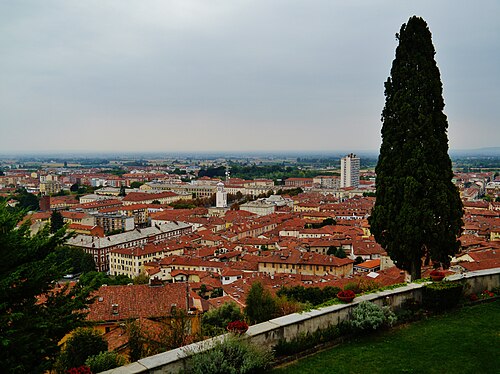
Pinerolo is a historic city located in the Piedmont region of northwestern Italy, approximately 35 kilometers southwest of Turin. Nestled in the Susa Valley, Pinerolo is surrounded by majestic mountains, including the Alps, which provide a stunning backdrop and contribute to the city's charm. With a population of around 30,000 residents, it is known for its rich history, which dates back to Roman times when it was known as "Pinerolium." Throughout the centuries, Pinerolo developed into a significant military and economic center, particularly during the Middle Ages. Its strategic position made it a valuable stronghold, and it was often the site of military encampments and fortifications.
The city's architecture reflects its historical significance, featuring numerous churches, palaces, and public squares. One of Pinerolo's most notable landmarks is the Cathedral of San Donato, which dates back to the 13th century and showcases a blend of Romanesque and Gothic architectural styles. The city's streets are characterized by a mix of medieval and Renaissance buildings, with charming arcades housing cafes and shops. Additionally, Pinerolo is celebrated for its horse-racing tradition, which dates back to the 16th century, culminating in the annual Palio di Pinerolo, a popular local event. The city also hosts a range of cultural events, including art exhibitions, music festivals, and traditional markets, making it a vibrant place to explore.
Pinerolo’s economy is diverse, with a mixture of agriculture, manufacturing, and services. The surrounding area is known for the production of high-quality wines, particularly in the nearby valleys, as well as dairy products and meats. An important center for the production of textiles, Pinerolo has also diversified into other industries over the years. The city's proximity to Turin provides residents and businesses access to larger urban resources while enjoying the tranquility of a smaller town. Overall, Pinerolo is a city that combines historical significance with modern living, offering visitors and residents a glimpse into Italy’s rich heritage amid the serene natural beauty of the Piedmont region.
Facts about Pinerolo
- Pinerolo is known for its historical role as a military stronghold, particularly during the reign of the House of Savoy, which fortified the town in the 17th century.
- The city is famous for its annual international horse fair, Fiera del Cavallo, which celebrates equestrian culture and traditions and attracts many visitors.
- Pinerolo is home to the renowned 'Cavalier of Pinerolo,' a character from the works of Alexandre Dumas, which refers to the local involvement in the stories of the Three Musketeers.
- The town boasts a unique Baroque-style cathedral, the Cathedral of San Donato, which features stunning artwork and architecture distinctive from many other Italian cathedrals.
- Pinerolo is often referred to as the 'Gateway to the Susa Valley,' making it a significant point for travelers heading into the Alpine region and offering beautiful mountain views.
- The city has a rich lace-making tradition, and Pinerolo lace has become a symbol of local craftsmanship, differing from lace produced in other Italian regions.
- Pinerolo was a key location for the Italian unification movement in the 19th century and played an essential role in the Risorgimento.
- The historic Palazzo Vittone, known for its exquisite art and architecture, served as the residence for prominent figures during the Savoy dynasty and showcases local historical significance.
- Pinerolo's cuisine features unique dishes influenced by its geographic location and historical connections, including specialties like bagna cauda and local wines.
- The city hosts the annual 'Pinerolo a Tavola' event, dedicated to celebrating local gastronomy with food tastings and cultural activities, setting it apart from other culinary festivals in Italy.