Pingliang, China
- 504,848 people
- 2 places to visit
- 35.543, 106.6653
Places to Visit (2)
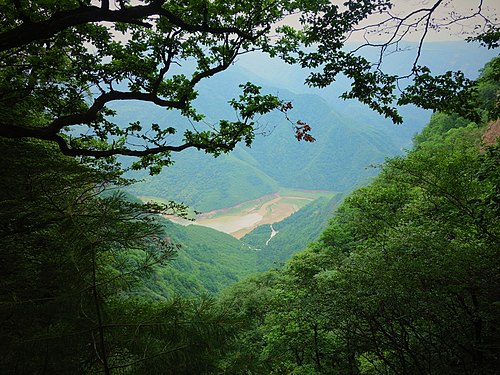
Pingliang is a city located in the northeastern part of Gansu Province, China. It serves as the capital of Pingliang Prefecture and lies on the Loess Plateau, a region characterized by its unique soil composition and rugged terrain. The city covers an area of approximately 15,874 square kilometers and has a population of around 700,000 residents, who primarily engage in agriculture, mining, and trade. Pingliang boasts a history that dates back over 2,000 years, with archaeological evidence indicating that the area was inhabited during the Zhou Dynasty. The city's name, which means "peaceful and bright," reflects its cultural and historical significance.
Pingliang is notable for its diverse natural landscapes, which include mountains, valleys, and rivers. The city is bordered by several mountain ranges, including the Qinling and Liupan Mountains, that contribute to its scenic beauty and biological diversity. This geographical setting not only provides a rich environment for agriculture but also encourages eco-tourism. Pingliang is home to several historical sites, including the Buddhist grottoes at Maijishan, which are recognized as a UNESCO World Heritage Site. These grottoes, with their intricate carvings and sculptures, showcase the region's Buddhist heritage and artistry dating back to the 4th century. In recent years, Pingliang has focused on economic development by improving infrastructure and promoting tourism, aiming to enhance the local economy while preserving its rich historical and cultural identity.
As a transportation hub, Pingliang is strategically located near major highways and railways that connect it with other cities in Gansu and beyond. The city's administrative structure includes several districts, counties, and towns that facilitate governance and local development. Local cuisine is also an integral part of Pingliang's culture, featuring traditional dishes that highlight the area's agricultural produce. The city celebrates various festivals and events that reflect its cultural heritage, promoting community engagement and tourism. Overall, Pingliang represents a harmonious blend of history, culture, and economic development, making it a significant city within Gansu Province and an intriguing destination for visitors.
Facts about Pingliang
- Pingliang is known as the 'Buddhist Capital of Gansu' due to its numerous ancient Buddhist sites, including the famous Maitreya Temple.
- The city is home to the iconic Pingliang Qianfo Caves, which feature thousands of ancient carvings and provide insights into the region's Buddhist heritage.
- Pingliang is one of the key areas for the production of Chinese stone, especially the famed Lanping stone, which is used in various forms of traditional Chinese architecture.
- The city is situated on the Hexi Corridor, an important historical trade route that connected the eastern and western parts of China, particularly during the Silk Road era.
- Pingliang's unique geographical features include its location at the foot of the Qingling Mountains, which provide stunning landscapes and natural resources.
- The Pingliang area is known for its rich agricultural products, particularly high-quality Chinese black fungus and other edible fungi.
- In recent years, Pingliang has developed a reputation for its growing tourism industry, attracting visitors to its historical sites and natural attractions.
- The city has a diverse cultural heritage, with influences from various ethnic groups, including Hui Muslims, leading to a rich tapestry of local traditions and cuisine.
- Pingliang is the birthplace of many notable figures in Chinese history, including influential philosophers and revolutionary leaders during the early 20th century.
- The city hosts the annual Pingliang International Lantern Festival, celebrating local culture and attracting visitors with its stunning light displays and cultural performances.