Piracicaba, Brazil
- 407,252 people
- 10 places to visit
- -22.7344, -47.648
Places to Visit (10)
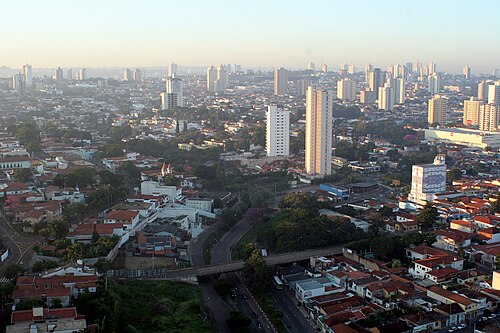
Piracicaba is a city located in the state of São Paulo, Brazil, approximately 165 kilometers northwest of the city of São Paulo, the state's capital. It has a population of around 400,000 residents, making it one of the significant urban centers in the region. The city lies along the banks of the Piracicaba River, which has historically been important for both transportation and agriculture. Piracicaba's name derives from the indigenous Tupi language, meaning "place where the fish are caught," a reference to the river's abundant fish populations. This rich aquatic resource played a vital role in the local economy and culture.
Historically, Piracicaba was established in the mid-17th century and has seen considerable growth due to its agricultural production, particularly in sugarcane and alcohol distillation. The city is well-known for its sugar industry, earning the nickname "The Sugar Capital." In addition to agriculture, Piracicaba's economy is diversified, including manufacturing and services, with various industries ranging from food processing to machinery. The region is also noted for its educational institutions, such as the University of São Paulo's campus and the high-quality technical schools that contribute to a skilled workforce.
Culturally, Piracicaba hosts several annual events and festivals that celebrate its rich history and tradition, particularly emphasizing music and arts. The city is home to the famous "Festa das Águas," honoring the relationship between the community and the Piracicaba River. Additionally, the local cuisine reflects a blend of Portuguese and indigenous influences, with dishes such as "pamonha" (a corn-based delicacy) and "peixe à espécies" (fish with spices) enjoyed by residents and visitors alike. Parks and recreational areas near the river provide a picturesque setting for leisure activities, contributing to the city's quality of life. Overall, Piracicaba is a vibrant city that balances its agricultural roots with dynamic urban development.
Facts about Piracicaba
- Piracicaba is known as the 'Capital of the Sugarcane' due to its significant role in the sugar and ethanol industry in Brazil.
- The city features the iconic Piracicaba River, which is famous for its beautiful waterfalls, making it a popular spot for fishing and leisure activities.
- Piracicaba hosts the traditional 'Festa das Águas', celebrating its historical relationship with water and agriculture, particularly the use of the Piracicaba River for irrigation.
- The city is home to the historic Engenho Central, a well-preserved sugar mill that dates back to the 19th century, showcasing the region's agricultural heritage.
- Piracicaba is also known for the 'Piracicaba Boat Show', one of the largest nautical fairs in Latin America, attracting maritime enthusiasts from across the country.
- The annual 'Festival de Comida de Rua de Piracicaba' highlights the city's vibrant street food scene, featuring a diverse array of culinary options and local delicacies.
- Piracicaba is home to the University of São Paulo's 'Escola Superior de Agricultura Luiz de Queiroz' (ESALQ), one of the leading agricultural schools in Latin America.
- The city's name is derived from the indigenous Tupi language, meaning 'place where the fish are caught', reflecting its rich fishing history.
- Piracicaba has a unique cultural scene, with events such as the 'Semana de Piracicaba', which celebrates local arts, music, and gastronomy.
- The city boasts the 'Pico do Olho d'Água', an ecological reserve and a popular lookout point, providing panoramic views of the region's lush landscapes.