Piraeus, Greece
- 163,688 people
- 17 places to visit
- 37.943, 23.647
Places to Visit (17)
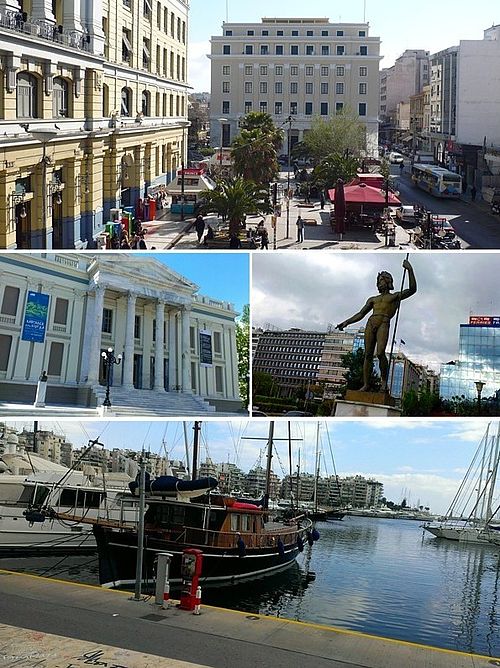
Piraeus, located about 12 kilometers southwest of Athens, serves as one of Greece's most significant cities and the country's primary port. Situated on the Saronic Gulf, it has been a critical maritime center since antiquity, playing a vital role in Athenian trade, military, and cultural affairs. Its strategic position allowed it to develop into the largest port in Greece, handling millions of passengers and tons of cargo each year. The city is well-connected to Athens through an extensive public transportation network, including the metro system, buses, and ferries that transport commuters to the nearby islands of the Aegean Sea.
Historically, Piraeus has roots that date back to the 5th century BCE, when Themistocles fortified the area to protect Athenian naval interests. Throughout antiquity, it flourished as a crucial maritime hub and housed notable structures like the Long Walls, connecting it directly to Athens. In modern times, Piraeus has transformed into a bustling urban center with a diverse population. The city's landscape is characterized by a mix of industrial areas and vibrant neighborhoods, featuring cafes, shops, and cultural venues. Landmarks such as the ancient Theater of Zea, the Marina Zeas, and the stunning views from Mount Nemea highlight its rich cultural heritage and natural beauty. The city continues to grow economically and culturally, serving as an essential gateway for travelers and trade alike.
Facts about Piraeus
- Piraeus is the largest port in Greece and one of the busiest in Europe, serving as a major gateway for goods and passenger transport to and from the mainland.
- Historically, Piraeus was the principal port of ancient Athens and was developed by Themistocles in the 5th century BC, playing a vital role in Athenian naval power.
- The city is home to the Hellenic Maritime Museum, which showcases Greece's rich maritime history and is one of the largest maritime museums in the Mediterranean region.
- Piraeus has three main harbors: the Passenger Port, the Cargo Port, and the Industrial Port, making it unique in its multifaceted shipping capabilities.
- One of the most famous landmarks, the Ancient Theatre of Zea, is located in Piraeus, representing the city's deep historical connection to the arts and culture.
- The Piraeus Municipal Theater is notable for its architectural beauty and serves as a cultural hub, hosting various performances and events throughout the year.
- Piraeus was also the site of significant naval battles, including the Battle of Salamis in 480 BC, which was a turning point in the Greco-Persian Wars.
- The city has a rich industrial history and is known for its shipbuilding yards, contrasting with the more tourist-focused areas of other Greek cities.
- Piraeus is famous for its vibrant food scene, particularly its seafood tavernas, where visitors can enjoy fresh catches from the Aegean Sea.
- The area is well-connected to Athens by a rapid transit system, offering a unique location that allows for easy daily commutes to the capital while maintaining its distinct maritime character.