Pirmasens, Germany
- 43,582 people
- 10 places to visit
- 49.2016, 7.6002
Places to Visit (10)
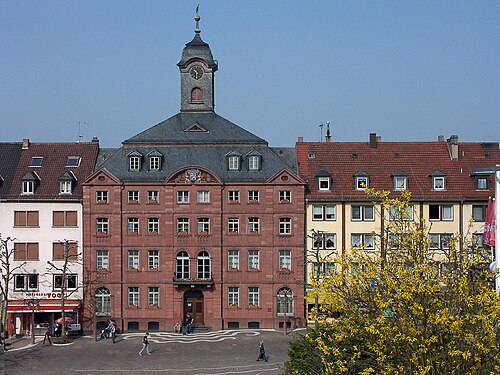
Pirmasens is a city situated in the state of Rhineland-Palatinate, Germany, nestled in the mountainous region of the Palatinate Forest. With a population of around 40,000 residents, it is best known for its historical significance in the shoe-making industry. Founded in the 17th century, Pirmasens became a hub for shoemaking by the 19th century, with numerous factories establishing the city as a leader in footwear production, often referred to as the "Shoe City." This economic foundation influenced the city's development, with various architectural styles emerging during its growth, including Art Nouveau and neo-baroque structures. Though much of the shoe industry has declined since its peak, Pirmasens still retains aspects of its historical identity, as several shoe manufacturers continue to operate in the area.
In addition to its industrial history, Pirmasens is characterized by its scenic natural surroundings, including the nearby Palatinate Forest, which is a part of the UNESCO Biosphere Reserve. The city is a gateway for outdoor activities such as hiking and cycling, attracting nature enthusiasts and tourists. Cultural institutions include the Pirmasens City Museum and the historical Theater Pirmasens, which host various events and exhibitions that reflect the local culture. The city also holds several annual festivals, such as the Pirmasens Christmas Market, which draws visitors from the surrounding regions. Modern Pirmasens faces economic challenges as it reinvents itself, striving to diversify its economic base while preserving its rich historical heritage and fostering community spirit through various initiatives.
Facts about Pirmasens
- Pirmasens is known as the 'Shoe City' of Germany due to its long history of shoe manufacturing, particularly in the late 19th and early 20th centuries.
- The city was heavily affected by both World Wars but made a remarkable recovery, rebuilding its shoe industry and becoming a center for craftsmanship.
- Pirmasens is home to the Schuhmuseum (Shoe Museum), which showcases the history and evolution of shoe-making, dedicated to its local heritage.
- The city features the 'Wurstmarkt,' which is one of the oldest folklore fairs in the region, celebrating local culture and traditions since the 19th century.
- Pirmasens is unique for its large number of historical underground passages, known as 'Bergwerksstollen,' originally used for mining and now part of the city's heritage.
- The city is situated on the German-French border, offering a blend of cultural influences from both countries and contributing to its multicultural atmosphere.
- Pirmasens hosts the annual 'Pirmasens Jazz Festival,' drawing jazz enthusiasts from across the region and showcasing both local and international talent.
- The city has a strong sports culture, particularly known for fostering German handball talent, with local teams competing at high levels.
- Pirmasens has a unique architecture style, featuring a mix of historical buildings and modern designs, reflecting its post-war reconstruction efforts.
- The surrounding area includes the Palatinate Forest, a UNESCO Biosphere Reserve, providing residents and visitors access to beautiful nature and outdoor activities.