Pistoia, Italy
- 73,832 people
- 13 places to visit
- 43.9298, 10.9068
Places to Visit (13)
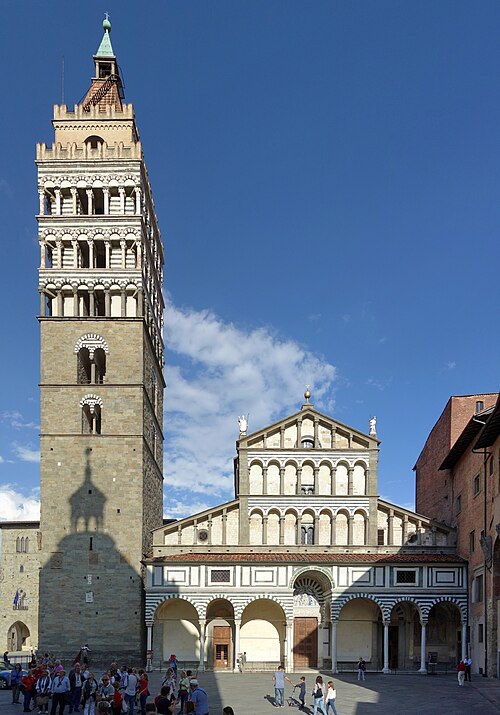
Pistoia is a historic city located in the Tuscany region of Italy, known for its rich cultural heritage and architectural significance. Situated approximately 30 kilometers northwest of Florence, Pistoia has roots tracing back to the Roman era when it was established as a military encampment. The city retains a unique charm, with narrow medieval streets, Renaissance buildings, and vibrant piazzas that attract visitors from around the world. The heart of Pistoia is its main square, Piazza del Duomo, which features notable landmarks such as the Pistoia Cathedral (Duomo di San Zeno), the Baptistery, and the Campanile (bell tower). The cathedral, dating back to the 10th century, is renowned for its beautiful Romanesque architecture and stunning interior, which includes works by various artists, including the famous 13th-century sculptor Giovanni Pisano.
Pistoia is also famous for its annual cultural events, particularly the Pistoia Blues Festival, which has been held since 1980 and attracts international music acts. The city's commitment to preserving its historical identity is evident in its many museums, such as the Museo Civico and the Museum of the Pistoia Underground, which showcase the city’s art, history, and archaeological finds. Beyond its cultural offerings, Pistoia is surrounded by beautiful Tuscan countryside, including vineyards and olive groves, making it an appealing destination for both history enthusiasts and nature lovers. The city's status as a less-touristed alternative to Florence makes it an ideal spot for travelers seeking an authentic Italian experience, with a blend of history, art, and local cuisine. Historically a center for the silk trade and still a hub for nursery-stock production, Pistoia embodies a harmonious balance of tradition and modernity, making it a significant part of Tuscany’s cultural landscape.
Facts about Pistoia
- Pistoia is known for its unique medieval architecture, particularly its well-preserved Romanesque churches, such as the Cathedral of San Zeno and the Baptistery.
- The city has a rich history of craftsmanship, especially in the production of medical instruments, earning it the nickname 'the city of the medical school.'
- Pistoia hosts the annual Pistoia Blues Festival, one of the oldest music festivals in Italy, which has featured numerous international artists since its inception in the 1980s.
- Unlike many other Italian cities, Pistoia is less touristy, allowing visitors to experience a more authentic Tuscan atmosphere.
- The historic center of Pistoia holds a significant art collection, including works by renowned painters like Giovanni Michelucci and the frescoes in the church of San Giovanni Fuorcivitas.
- Pistoia was the birthplace of the famous Italian poet and playwright, Francesco Redi, known as the father of modern parasitology.
- The city is the setting for the famous Italian children's game, 'Pistoia,' which is played with marbles or stones, showcasing its cultural heritage.
- Pistoia is a hub for the cultivation of azaleas and rhododendrons, hosting the annual Pistoia Flower Show and other floral events that celebrate its horticultural expertise.
- The city has an intriguing underground archaeological site that features ruins from the Roman period, including remnants of ancient streets and buildings.
- Pistoia is ranked as one of the top cities in Tuscany for its commitment to sustainability, with numerous initiatives aimed at preserving the environment and promoting green spaces.