Piura, Peru
- 484,475 people
- 15 places to visit
- -5.1783, -80.6549
Places to Visit (15)
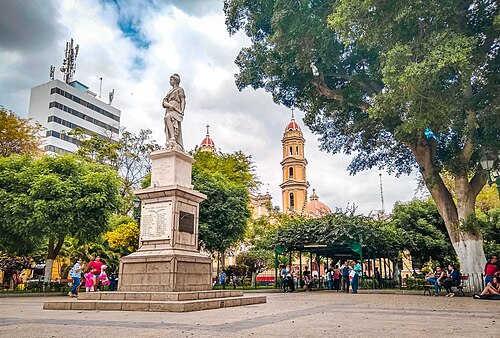
Piura is a city located in northwestern Peru, serving as the capital of the Piura Region. Established in 1532 by Spanish conquistador Francisco Pizarro, it is one of the oldest cities in Peru. Nestled in a valley near the Piura River and just a few kilometers from the Pacific coast, Piura is characterized by its warm and dry climate, which contributes to its agricultural productivity. The city has a population of approximately 500,000 residents, making it one of the largest urban centers in the northern part of the country.
With a rich historical background, Piura boasts a number of colonial-era buildings and landmarks, including the Cathedral of Piura, which was constructed in the 16th century and showcases remarkable baroque architecture. The city's vibrant culture is a blend of indigenous, Spanish, and African influences, evident in its traditions, festivals, and cuisine. Piura is famous for its seafood dishes, particularly ceviche, and local specialties like chancay rice and seco de chabelo. The city also serves as an economic hub, with agriculture, fishing, and commerce playing significant roles in its development. The surrounding region is known for producing crops such as mangoes, lemons, and rice, contributing to both local and national economies.
In addition to its historical and economic significance, Piura offers various recreational and tourist attractions. Nearby beaches like Mancora and Vichayito make the region a popular destination for both local and international visitors, drawn by the opportunity for water sports and relaxation. Cultural festivities, such as the Piura Carnival and the Virgen de las Mercedes Festival, highlight the city’s vibrant arts scene and community spirit. Overall, Piura stands as a key city in Peru with its rich heritage, economic activities, and cultural vibrancy, making it a noteworthy destination in South America.
Facts about Piura
- Piura is known as the first Spanish city founded in Peru in 1532, making it one of the oldest cities in the country.
- The city is famous for its unique hot weather, being one of the hottest regions in Peru, with temperatures often exceeding 30°C (86°F).
- Piura is recognized for its rich culinary heritage, particularly its seafood dishes, including the popular 'ceviche de mero' and 'arroz con mariscos'.
- The city hosts the National Festival of the Piura Mango, celebrating the region's agricultural production and attracting tourists and locals alike.
- Piura is home to the impressive Cathedral of Piura, which features a mix of Baroque and Neoclassical architectural styles and was rebuilt after an earthquake in 1912.
- The nearby beaches of Mancora and Vichayito are famous for their picturesque landscapes and water sports, attracting both domestic and international tourists.
- Piura is situated near the archaeological site of Vichama, an ancient civilization that dates back over 4,000 years, showcasing the region's rich pre-Columbian history.
- The city is a hub for the Piuran culture, known for its traditional dances like the 'Marinera', which showcases the blend of Spanish and indigenous influences.
- Piura is strategically located as a crucial commercial center and is often referred to as the 'Gateway to the North' of Peru, facilitating trade and tourism.
- Piura has a unique dialect influenced by the indigenous languages and the Spanish colonization, with distinct local expressions and pronunciations.