Plasencia, Spain
- 41,148 people
- 13 places to visit
- 40.0421, -6.0838
Places to Visit (13)
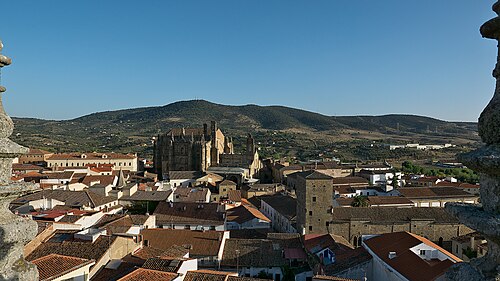
Plasencia is a historic city located in the autonomous community of Extremadura, Spain, situated near the banks of the Jerte River. It is part of the province of Cáceres and boasts a rich heritage that dates back to Roman times. The city was initially founded in the 2nd century B.C. and has since played a significant role in various historical periods, notably during the Middle Ages as a key point of Christian reconquest. Its strategic location, combined with fertile agricultural lands, contributed to its development as a hub for trade and culture.
The architectural landscape of Plasencia is notable for its well-preserved medieval structures, including the imposing Cathedral of Plasencia, which combines Gothic and Renaissance styles. The cathedral features a unique dual design with an Old Cathedral built in the 13th century and a New Cathedral completed in the 18th century. The city's historic center is characterized by cobblestone streets, charming squares, and an array of palaces and churches that reflect its wealth and importance through centuries. Key landmarks such as the Aqueduct of San Antón and the Plaza Mayor, a central gathering place, offer glimpses into the city's past and its vibrant community life.
In addition to its historical significance, Plasencia serves as a gateway to the picturesque landscapes of the surrounding countryside, including the Jerte Valley, an area famous for its cherry blossoms and stunning natural beauty. The region is also well-known for its biodiversity and outdoor recreational activities, making it a popular destination for hiking, birdwatching, and nature lovers. Plasencia's local cuisine features traditional Extremaduran dishes, showcasing rich flavors and locally sourced ingredients. The city also hosts various cultural events and festivals throughout the year, celebrating its history and the diversity of its community. Overall, Plasencia represents a blend of historical, cultural, and natural attractions, making it an intriguing destination for visitors interested in exploring the heart of Extremadura.
Facts about Plasencia
- Plasencia is known for its remarkable blend of Gothic and Renaissance architecture, exemplified by the impressive Plasencia Cathedral, which features a unique dual-church structure.
- The city is situated on the banks of the Jerte River and is surrounded by beautiful natural landscapes, including the nearby Jerte Valley, famous for its cherry blossoms in spring.
- Plasencia was founded in the 12th century and played a crucial role during the Reconquista, serving as an important trading hub between Christian and Muslim territories.
- The city has an extensive wall system with numerous preserved gates, including the notable Torremayor, which dates back to the 15th century.
- Plasencia is home to one of the oldest universities in Spain, the University of Plasencia, established in 1994 but with roots tracing back to a theological school founded in 1555.
- The annual 'Fiestas de San Fernando', held in early June, celebrates the patron saint of Plasencia with parades, music, and traditional dances, attracting visitors from all over.
- Plasencia hosts the 'Festival Internacional de Teatro Clásico', which has been celebrating classical theater since the 1990s and showcases local and international theatrical talent.
- The city is noted for its culinary offerings, particularly 'Bola de Plasencia', a traditional meat dish, and its excellent local wines from the surrounding Extremadura region.
- Plasencia's historic center is a UNESCO candidate site, recognized for its preserved medieval layout and significant architectural structures, offering a glimpse into its rich past.
- The city is strategically located at the junction of important historical trade routes, which contributed to its economic growth and cultural exchanges throughout centuries.