Plauen, Germany
- 66,412 people
- 15 places to visit
- 50.4976, 12.1369
Places to Visit (15)
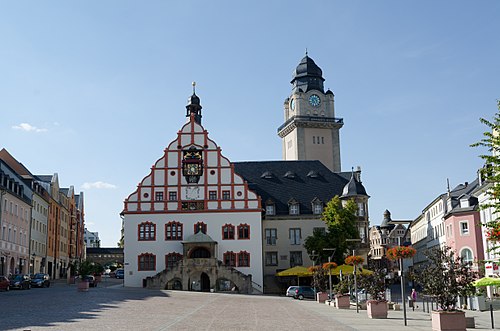
Plauen is a vibrant city located in the Free State of Saxony, Germany, situated near the border with the state of Bavaria. Known for its rich history and cultural heritage, Plauen lies at the confluence of the rivers Weißer Elster and Rote Elster. With a population of approximately 65,000, it is the largest city in the Vogtland region and serves as an important economic and cultural center. The city showcases a blend of historical architecture and modern amenities, with notable landmarks including the stunning Plauen Cathedral, which dates back to the 13th century, and the iconic "Plauen Lace," a type of decorative lace that has become synonymous with the city's identity.
The history of Plauen dates back over a thousand years, with its first mention occurring in 1209. Throughout the Middle Ages, it developed into a significant trading hub, owing to its strategic location on important trade routes. The city flourished during the 19th and early 20th centuries, particularly with the rise of the textile industry, which boosted its economic growth and resulted in the establishment of a number of factories. Plauen also played a notable role during the industrial revolution and was known for producing high-quality embroidery and lace, which remain a significant part of its cultural heritage. In recent years, Plauen has diversified its economy, focusing on modern industries such as microelectronics and machine engineering while still honoring its textile roots.
Today, Plauen is not only a center of production but also a hub of education and culture. The city is home to several institutions of higher learning, including vocational schools that specialize in engineering and technology. Cultural events and festivals, such as the Plauen Christmas Market and the Old Town Festival, attract visitors from near and far, celebrating the city’s traditions and festive spirit. With a commitment to sustainability and preservation, Plauen continues to evolve while celebrating its historical significance, making it an intriguing destination for both residents and tourists alike.
Facts about Plauen
- Plauen is known for its rich history in lace-making, particularly 'Plauen lace', which became famous in the 19th century and continues to be a significant part of the local economy.
- The city is home to the 'Plauen Viaduct', one of the tallest brick viaducts in Europe, which was completed in 1861 and is a remarkable feat of engineering.
- Plauen has a unique heritage of the 'Plauen Puppet Theatre', established in 1910, making it one of the oldest puppet theaters in Germany still in operation.
- The city features the 'City Hall of Plauen', built in the late 19th century, which is noted for its impressive architecture and is a prominent symbol of the city.
- Plauen is known for its annual 'Plauener Spitzen Festival', which celebrates the city's lace heritage with parades, exhibitions, and cultural events.
- It was a significant site during the GDR (East Germany) era, where the city’s economy was built around textile production, making it an important industrial hub.
- Plauen is located in the Vogtland region, known for its diverse landscape of hills and valleys, which offers various outdoor recreational opportunities.
- The city has a distinct sculpture, the 'Plauen Beatles', a tribute to the famous band that was part of a cultural exchange project in the 1960s.
- Plauen's historic core features well-preserved architecture, including numerous buildings from the late Gothic and Renaissance periods that set it apart from many other German cities.
- The 'Vogtland Cultural Center' in Plauen is a significant venue for performing arts, showcasing local and international performances, making the city a cultural hub in the region.