Plettenberg, Germany
- 28,206 people
- 10 places to visit
- 51.2096, 7.8702
Places to Visit (10)
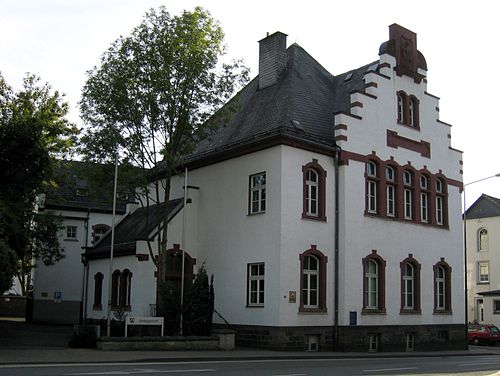
Plettenberg is a town located in the North Rhine-Westphalia region of Germany, situated in the picturesque Sauerland area. It lies about 60 kilometers southeast of Dortmund and is part of the Märkischer Kreis district. The town has a population of approximately 28,000 residents, making it a small yet vibrant community known for its blend of natural beauty and historical significance. Plettenberg’s location in the Sauerland makes it a popular destination for outdoor activities, such as hiking, mountain biking, and skiing during the winter months. The town itself is surrounded by rolling hills and dense forests, offering residents and visitors alike an abundance of recreational opportunities.
Historically, Plettenberg was first mentioned in documents dating back to the 13th century, with its development closely tied to the mining industry. The rich ore deposits in the surrounding region led to the establishment of various industries, primarily iron and copper production, which played a significant role in the town's growth. The local economy has diversified over the years, moving from heavy industry to include sectors such as retail, services, and tourism. Notable landmarks in Plettenberg include the historic St. Laurentius Church, which showcases Gothic architecture, and remnants of former mining operations, which highlight the town's industrial heritage. The community takes pride in local events and festivals, which celebrate its history and culture, fostering a strong sense of identity among residents. Overall, Plettenberg serves as a charming representation of small-town life in Germany, merging historical roots with the allure of natural landscapes.
Facts about Plettenberg
- Plettenberg is known for its picturesque location in the Sauerland region of North Rhine-Westphalia, surrounded by lush forests and rolling hills.
- The city has a rich history dating back to the Middle Ages, with its first documented mention occurring in 1223.
- Plettenberg is home to the historic rule of Plettenberg, a noble family that played a significant role in the region’s governance during medieval times.
- The city features the beautiful St. John's Church (Johanneskirche), which showcases a mix of Gothic and Baroque architectural styles and dates back to the 13th century.
- Plettenberg is famous for its annual festival, the 'Plettenberg Fest', which celebrates local culture, food, and crafts, attracting visitors from surrounding areas.
- The town is known for its strong industrial heritage, particularly in the production of machinery and mechanical components, contributing to its economic development.
- Plettenberg is often referred to as the 'Gateway to the Sauerland', with easy access to numerous hiking trails and outdoor activities in the nearby nature parks.
- The city has several local breweries, offering a unique taste of traditional German beer that showcases regional brewing techniques.
- Plettenberg hosts various cultural events throughout the year, including art exhibitions, concerts, and theater productions, reflecting a vibrant community life.
- It is also known for its educational facilities, including vocational schools that specialize in fields such as engineering and crafts, providing valuable training for the local workforce.