Pljevlja, Montenegro
- 19,489 people
- 3 places to visit
- 43.3582, 19.3513
Places to Visit (3)
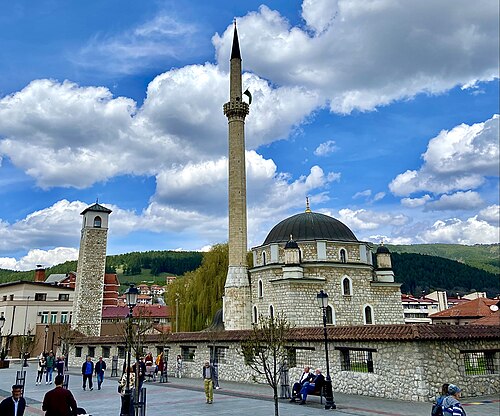
Pljevlja is a city situated in northern Montenegro, nestled in a valley at the confluence of the Ćehotina and Pljevlja rivers. It serves as the administrative center of the Pljevlja Municipality, which is one of the largest municipalities by area in Montenegro. With a population of approximately 18,000 residents, Pljevlja is known for its rich history, diverse cultural heritage, and scenic natural surroundings. The city is positioned at an altitude of 1,062 meters (3,488 feet) above sea level, making it one of the highest towns in the Balkan Peninsula. The region features a continental climate characterized by cold winters and mild summers, which contributes to its lush greenery and picturesque landscapes.
Historically, Pljevlja has been a significant settlement since ancient times, with evidence of habitation dating back to the Roman era. The city was known as a center of commerce and trade due to its strategic location along important trade routes. It holds a mix of cultural influences, having been part of various states and empires throughout its history, including the Roman, Byzantine, and Ottoman empires. One of the city's most notable landmarks is the Church of the Holy Apostles Peter and Paul, a stunning 16th-century structure believed to be constructed by the Ottomans, showcasing a blend of architectural styles. Additionally, the Pljevlja Monastery, established in the 16th century, is an important site for the Serbian Orthodox Church.
In contemporary times, Pljevlja has developed an economy primarily based on coal mining and electricity production, with the city's thermal power plant being a central feature of its industrial landscape. Furthermore, agriculture plays a crucial role in the livelihoods of many residents, with the fertile valleys around the rivers providing suitable conditions for farming. The city's natural beauty, combined with its historical significance, makes Pljevlja an intriguing destination for visitors seeking to explore Montenegro's less-traveled paths. Tourism, although still in its nascent stages, is slowly gaining momentum as more people discover its historical sites, natural parks, and the nearby Durmitor National Park, a UNESCO World Heritage site. As Pljevlja continues to grow and transform, it retains its charm as a city where history, culture, and nature harmoniously coexist.
Facts about Pljevlja
- Pljevlja is known for its unique architecture that combines Ottoman, Austro-Hungarian, and Socialist influences, making it distinct from other Montenegrin towns.
- The town is home to the famous Pljevlja Monastery, an important historical and religious site founded in the 16th century, showcasing exquisite medieval architecture.
- Pljevlja has the largest coal deposit in Montenegro, and its thermal power plant plays a crucial role in the country’s energy supply, distinguishing it as an industrial hub.
- The town hosts the Pljevlja International Jazz Festival, attracting musicians and visitors from around the world, highlighting its cultural significance.
- Pljevlja is known for its green space, particularly the nearby Trnovačko Lake and Tara River, offering exceptional natural beauty and outdoor activities.
- The region around Pljevlja is steeped in mining history, with significant contributions to both the local and national economies from its coal mining operations.
- Pljevlja has a rich history of coexistence among different cultures and religions, which is reflected in its diverse population and cultural heritage.
- The town is surrounded by stunning mountain ranges, including the Durmitor and the Sinjajevina, making it a unique destination for nature lovers and hikers.
- Pljevlja's annual cultural events, such as the Pljevlja Carnival, showcase local traditions and foster community spirit in a distinctly Montenegrin manner.
- The archaeological site of the ancient Roman settlement near Pljevlja, which includes remnants of roads and structures, emphasizes the town’s historical significance.