Płock, Poland
- 127,474 people
- 15 places to visit
- 52.5463, 19.7065
Places to Visit (15)
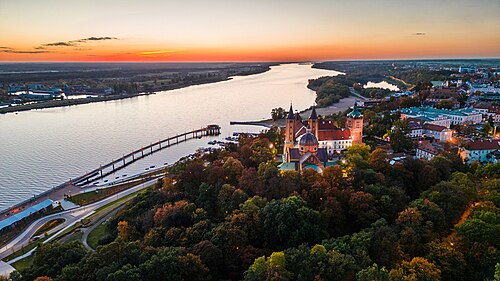
Płock, one of the oldest cities in Poland, is located in the central part of the country along the Vistula River. As the capital of Płock County and part of the Masovian Voivodeship, it boasts a rich history that dates back over a millennium. The city was first mentioned in historical records in the 10th century and served as the capital of Poland in the early Middle Ages during the reign of the Piast dynasty. Płock is known for its significant cultural heritage, including its impressive Gothic cathedral, the Cathedral of the Assumption of the Blessed Virgin Mary, which houses the tomb of Poland's first king, Władysław I Herman. The city's historical architecture reflects various styles and periods, with notable sites such as the Royal Castle and the historic Old Market Square.
In modern times, Płock is a thriving urban center with a diverse economy largely based on the petrochemical industry, agriculture, and services. The city is home to one of the largest oil refineries in Poland, operated by the Polish Oil and Gas Company. Płock also features numerous educational institutions, including the Płock University of Applied Sciences, which contributes to its vibrant student population. Moreover, festivals such as the Audioriver Festival, which celebrates electronic music, attract visitors from across the country and beyond. The picturesque riverside and numerous parks enhance the quality of life in Płock, making it an attractive place for both residents and tourists. With its blend of historical significance and contemporary vitality, Płock continues to be a key player in Poland's cultural and economic landscape.
Facts about Płock
- Płock is one of the oldest cities in Poland, with a history that dates back over a thousand years, and it was the capital of the Polish Kingdom in the 10th and 11th centuries.
- The city is home to the Cathedral of the Assumption of the Blessed Virgin Mary, a significant Romanesque church that dates back to the 12th century and is known for its impressive architecture.
- Płock is situated on the banks of the Vistula River and features a stunning natural landscape, including the Płock Cathedral Hill, which offers panoramic views of the river and surrounding areas.
- The city is recognized for its role in the Polish oil industry and is the site of the headquarters of PKN Orlen, one of the largest oil companies in Central Europe.
- Płock hosts the Audioriver Festival, one of Poland's largest electronic music festivals, attracting music lovers and artists from around the world each summer.
- In 1825, Płock became the first city in Poland to establish a public water supply network, showcasing its advancements in urban infrastructure.
- The city's historical district features the Royal Castle, which was used as a royal residence during the Piast dynasty, further highlighting Płock's historical significance.
- Płock is home to the Płock Cathedral, which contains the tombs of Polish kings and is a site of national historical importance.
- Every year, Płock hosts the Płock Cathedral Organ Concerts, a series of classical music events that attract both local and international musicians.
- Płock is famous for its annual Płock Cathedral Organ Concerts, one of the oldest summer music festivals in Poland, bringing together prominent organists and classical music aficionados.