Ploieşti, Romania
- 228,851 people
- 15 places to visit
- 44.9367, 26.0129
Places to Visit (15)
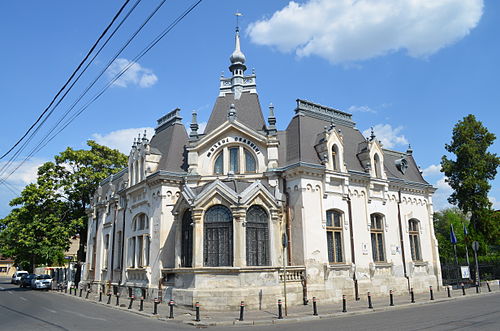
Ploieşti is a significant city located in Romania, known primarily for its historical and economic importance. Positioned in the southern part of the country, approximately 60 kilometers north of Bucharest, Ploieşti is the capital of Prahova County. Founded in the 14th century, it has evolved from a small settlement into a bustling urban center. The city's development accelerated in the late 19th and early 20th centuries when it became an industrial hub, largely due to the discovery of oil in the area. Ploieşti is often referred to as the birthplace of the Romanian oil industry, with several refineries establishing operations that significantly contributed to the national economy. The city's oil-related heritage is evident in its architecture and museums, such as the Oil Museum, which documents the region's pivotal role in the global oil industry.
In addition to its economic background, Ploieşti is characterized by a blend of modern and historical elements. The city boasts a mix of residential neighborhoods, commercial areas, and green spaces. Its urban landscape is marked by various squares, parks, and notable structures, including the impressive Palace of Culture, which serves as a cultural center hosting concerts, exhibitions, and other events. Education is also a priority in Ploieşti, with several universities and institutions contributing to the region’s intellectual landscape. Despite the economic challenges faced by the oil industry in recent decades, Ploieşti has diversified its economy, focusing on sectors such as manufacturing, services, and commerce. This diversification has helped maintain the city's relevance as a key player in Romania's economic framework.
Culturally, Ploieşti offers a rich tapestry that reflects its diverse history and heritage. The city hosts various festivals, events, and activities that celebrate Romanian traditions and arts. Residents and visitors alike enjoy the vibrant community spirit evident in local markets and cafes. Ploieşti's strategic position and historical significance make it an essential destination for those exploring Romania's industrial past, as well as its modern advancements. The city's combination of historical roots, economic strength, and cultural vibrancy continues to shape its identity and development in the contemporary landscape.
Facts about Ploieşti
- Ploieşti is known as the 'Oil Capital of Romania' due to its historical significance in the oil industry, which began in the mid-19th century.
- The city was the first in the world to have street lighting powered by oil lamps, a revolutionary achievement in urban infrastructure at the time.
- During World War II, Ploieşti was a major target for Allied bombing due to its oil refineries, notably the infamous Operation Tidal Wave in August 1943.
- Ploieşti hosts the Oil Museum (Muzeul Petrolului), which is dedicated to the history of the oil industry and showcases equipment and artifacts from the industry's early days.
- The city is home to the historic Ploieşti Synagogue, which is one of the largest and oldest synagogues in Romania, reflecting the city's diverse cultural history.
- Ploieşti is known for its unique architectural mix, featuring a blend of neoclassical, art nouveau, and modernist buildings that tell the story of its economic growth.
- The city has a vibrant cultural scene, hosting events like the Ploieşti International Film Festival, which attracts filmmakers and audiences from across the globe.
- Ploieşti is closely associated with the Romanian poet and national cultural figure, George Coşbuc, who spent part of his life in the city.
- The city's proximity to the Carpathian Mountains makes it a gateway for tourism into the surrounding natural landscapes and outdoor activities.
- Ploieşti has a rich sporting culture, particularly known for its achievements in football (soccer) and handball, boasting several successful clubs in national leagues.