Plovdiv, Bulgaria
- 346,893 people
- 18 places to visit
- 42.1354, 24.7453
Places to Visit (18)
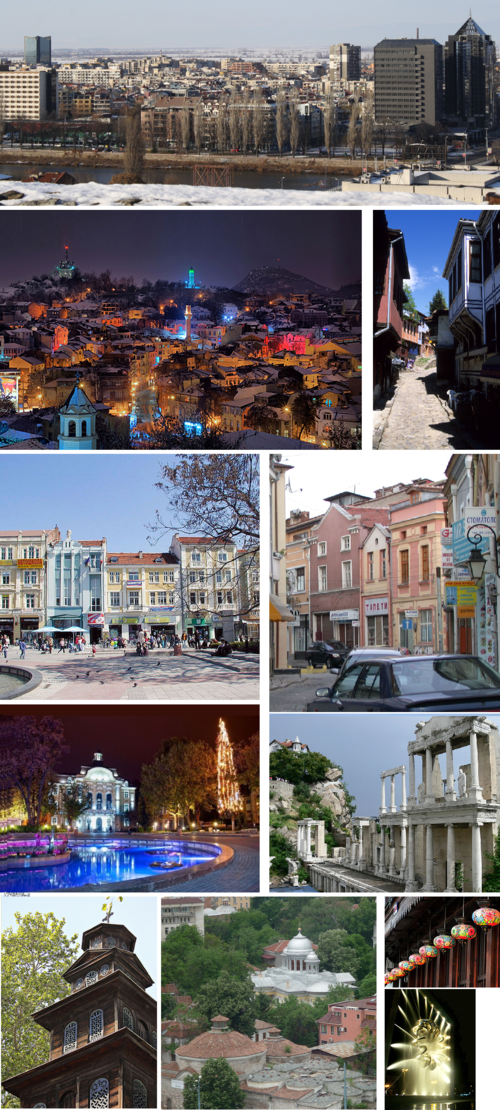
Plovdiv, one of Bulgaria's oldest cities, boasts a rich history that spans over 6,000 years, making it one of the most significant cultural centers in Southeast Europe. Located in the heart of the country, Plovdiv is the second-largest city in Bulgaria after Sofia, with a population of approximately 350,000 residents. The city's historical architecture reflects its diverse past, having been influenced by various civilizations, including the Thracians, Romans, Byzantines, and Ottomans. Notable historical sites include the ancient Roman theater, which dates back to the 1st century AD, and the Old Town, featuring beautifully preserved Bulgarian Revival houses that showcase intricate woodwork and colorful facades.
Plovdiv's cultural significance continues to thrive in modern times. In 2019, the city was designated as a European Capital of Culture, highlighting its artistic vibrancy and commitment to cultural development. The annual Plovdiv Fair, one of the oldest and largest trade fairs in Southeast Europe, draws visitors and business professionals from various sectors. The city's dynamic art scene is reflected in numerous galleries and festivals, while its vibrant street life and café culture contribute to a thriving social atmosphere. Plovdiv's strategic location also serves as a gateway to the scenic Rhodope Mountains and the historic remains of ancient Thracian tombs, attracting tourists seeking both cultural and natural experiences. Overall, Plovdiv is a city that harmoniously blends its rich past with contemporary creativity, making it a captivating destination for visitors from around the globe.
Facts about Plovdiv
- Plovdiv is one of the oldest continuously inhabited cities in Europe, with a history that spans over 6,000 years.
- The city is home to the Roman Theatre, an exceptionally well-preserved ancient amphitheater that dates back to the 1st century AD and is still used for performances today.
- Plovdiv was named a European Capital of Culture in 2019, recognizing its vibrant arts scene and cultural heritage.
- The Old Town of Plovdiv showcases a mix of Bulgarian Renaissance architecture and Roman ruins, making it a unique historical area in Bulgaria.
- Plovdiv is often referred to as the 'City of Seven Hills,' similar to Rome, and these hills offer panoramic views of the surrounding region.
- The city has a diverse cultural mix, with influences from Thracian, Roman, Byzantine, and Ottoman empires found throughout its architecture and traditions.
- Plovdiv hosts the International Fair every September, which is one of the oldest trade fairs in the Balkans, attracting international businesses and visitors.
- The Kapana district is known as the 'Trap' and is famous for its bohemian atmosphere, featuring numerous art galleries, craft shops, and cafes.
- Plovdiv has a strong connection to wine production, with nearby vineyards and wineries participating in the annual Thracian Wine Festival.
- In 1981, Plovdiv was awarded the title 'Hero City' for its significance to Bulgaria's history and its role in the struggle for national liberation.