Plymouth, United Kingdom
- 260,203 people
- 18 places to visit
- 50.3755, -4.1426
Places to Visit (18)
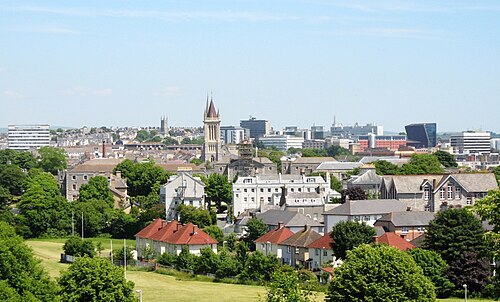
Plymouth is a port city located on the south coast of Devon, England, in the United Kingdom. It has a rich maritime history that dates back to the Bronze Age and has played a significant role in naval affairs for centuries. Historically, Plymouth is most renowned for its association with the Royal Navy, being home to important naval bases, including Devonport Dockyard, which is one of the oldest and largest naval bases in the world. The city gained international prominence as the departure point for the Mayflower, the ship that carried the Pilgrim Fathers to North America in 1620, a fact celebrated by the Mayflower Steps, a historical landmark in the city center.
The modern city features a mix of culture, education, and tourism, making it a vibrant destination. The University of Plymouth, established in 1992, has become a key educational institution in the region, contributing to the city’s economy and cultural scene. Plymouth is also home to a diverse range of attractions, including the National Marine Aquarium, which is the largest public aquarium in the UK, and the iconic Smeaton's Tower lighthouse, located on the Hoe, a popular public space that overlooks Plymouth Sound. The Hoe also features the historic Royal Citadel, a fortress that dates back to the 17th century, highlighting the city’s historical significance.
Plymouth's economy is bolstered by its port, which facilitates trade and is crucial for the fishing and tourism industries. The city's waterfront has undergone significant regeneration, enhancing its appeal with modern amenities and leisure activities. Annual events such as the British Fireworks Championships and the Plymouth Seafood Festival attract visitors and foster a sense of community. With its combination of historical significance, educational institutions, and vibrant cultural landscape, Plymouth continues to be an important city within the United Kingdom, embodying a unique blend of past and present.
Facts about Plymouth
- Plymouth is home to the historic Mayflower Steps, where the Pilgrims are believed to have departed for America in 1620, marking a significant moment in both American and British history.
- The city has one of the largest natural harbors in the world, known as Plymouth Sound, which has been a pivotal naval base since the late 16th century.
- Plymouth is famous for the Royal Citadel, a fortress built in the 17th century that still houses active military personnel and is a key historical landmark of the city's defenses.
- The iconic Smeaton's Tower, a lighthouse built in 1759, is located on the Hoe and is an important symbol of Plymouth, also providing stunning views across the harbor.
- Plymouth is the birthplace of the famous British naval hero Sir Francis Drake, who famously circumnavigated the globe in the late 16th century.
- The city hosts the annual British Firework Championships, attracting talented pyrotechnic teams from around the UK to compete over two nights, making it a highlight of the summer calendar.
- Plymouth's Royal William Yard is a premier waterside development featuring a mix of restaurants, shops, and residences, showcasing a blend of historical architecture and modern living.
- The city was heavily bombed during World War II, leading to significant destruction, but has since seen extensive redevelopment and regeneration efforts, including the Waterfront regeneration project.
- Plymouth is also known for its prestigious marine and maritime programs, with the University of Plymouth offering specialized courses that contribute to research and innovation in this field.
- The city has a vibrant arts scene, exemplified by the Theatre Royal Plymouth, which is one of the largest and most popular theatres outside London, hosting a wide variety of performances.