Plymouth, Montserrat
- 6 places to visit
- 16.7065, -62.2157
Places to Visit (6)
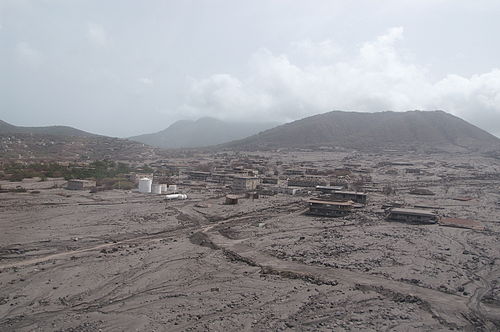
Plymouth is a significant historical town located on the Caribbean island of Montserrat, a British Overseas Territory. Once the capital of Montserrat, Plymouth was established in the early colonial period and played a vital role in the island's social and economic activities. The town developed as a bustling port, facilitating trade and commerce, and served as a hub for administration and governance. By the mid-20th century, Plymouth had a population of several thousand, featuring essential facilities, schools, and businesses, making it the heart of life on the island.
However, the serenity of Plymouth was shattered in the 1990s when the Soufrière Hills volcano began erupting. The first eruptions occurred in 1995, resulting in widespread destruction, ashfall, and pyroclastic flows that critically damaged the town and rendered it largely uninhabitable. As the volcanic activity intensified, much of the population was evacuated, and the government relocated to the northern town of Brades. By 1997, Plymouth was buried under volcanic material, which solidified into a landscape that starkly contrasts the town’s former vitality.
Today, Plymouth is an intriguing site for both geological study and historical reflection. While many of its structures have been left in ruins, remnants can still be observed, reminding visitors of its past importance. The abandoned town offers a unique insight into the impact of natural disasters on human settlements and has become a point of interest for tourists, researchers, and filmmakers. Although Plymouth is no longer a thriving community, its story continues to underscore the resilience of the Montserratian people and their efforts to adapt to a changing environment. The island remains vibrant, with Montserratians working towards recovery and regeneration in the face of ongoing volcanic threats.
Facts about Plymouth
- Plymouth was the capital of Montserrat until the volcanic eruptions in the 1990s, which led to significant destruction and relocation of governmental functions.
- The town is known for its unique ghost town atmosphere, with many buildings left abandoned after being buried in ash and mud, providing a glimpse into its past.
- Plymouth's historical significance is highlighted by its ruins, including the remains of the former Governor's Office and the Cathedral of Our Lady of the Assumption.
- The town served as a major hub for maritime trade in the Caribbean during its peak, contributing to its economic importance before the volcanic eruption.
- Plymouth is located on the western coast of Montserrat, offering stunning views of the Caribbean Sea, which sets it apart from the eastern settlements.
- The annual 'Plymouth Day' celebrated by locals honors the town's history and resilience post-eruption, distinguishing it from other events held across Montserrat.
- Plymouth is the only town in Montserrat to have a designated National Park nearby, highlighting its natural beauty and making it a unique destination for ecotourism.
- In the years following the volcanic activity, Plymouth became a site of archaeological interest, with research focusing on the impact of the eruptions on urban settlement.
- The remnants of Plymouth are a poignant reminder of the power of nature and human adaptability, making it distinct from other towns that have not faced such significant challenges.
- Tourism to the ruins of Plymouth is increasing, drawing visitors interested in history, volcanic activity, and cultural resilience, further distinguishing it from other tourist locations on the island.