Polokwane, South Africa
- 123,749 people
- 13 places to visit
- -23.8981, 29.45
Places to Visit (13)
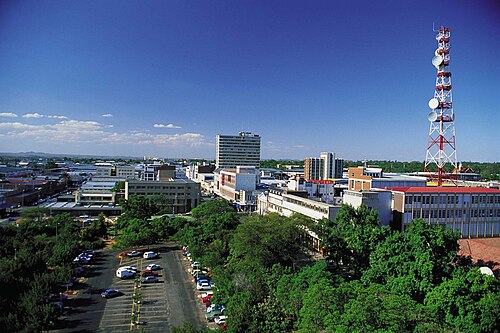
Polokwane, the capital of the Limpopo Province in South Africa, is a vibrant city known for its rich cultural heritage and significant economic role in the region. Formerly known as Pietersburg, the city was renamed Polokwane in 2002, which means "Place of Safety" in the Northern Sotho language. It is situated in the northeastern part of the country and lies at an elevation of approximately 1,200 meters above sea level, which contributes to its moderate climate characterized by warm summers and mild winters. As one of the fastest-growing cities in South Africa, Polokwane serves as a crucial hub for transport, trade, and commerce, linking various regions of the country as well as neighboring countries such as Zimbabwe, Botswana, and Mozambique.
Polokwane plays host to a diverse population comprising various ethnic communities, including Tswana, Venda, and Afrikaans speakers, which enriches its cultural landscape. The city is home to several educational institutions, including the University of Limpopo and the Capricorn TVET College, which draw students from across the province. Polokwane also features numerous attractions, such as the Polokwane Game Reserve, where visitors can observe a variety of wildlife and partake in outdoor activities. The local economy is bolstered by agriculture, retail, and manufacturing, with local markets offering a wide array of goods reflecting the region's agricultural output. Additionally, the city has been significantly developed in recent years, with infrastructure improvements aimed at enhancing business opportunities and improving the quality of life for its residents. With its blend of cultural diversity, economic growth, and natural beauty, Polokwane stands out as an important city in South Africa's landscape.
Facts about Polokwane
- Polokwane is the capital city of the Limpopo Province and serves as a major administrative and economic hub in northern South Africa.
- The name 'Polokwane' means 'place of safety' in the Tswana language, reflecting its origin as a safe haven for travelers in the area.
- The city is home to the Polokwane Game Reserve, one of the largest municipal game reserves in the world, offering a unique urban wildlife experience.
- Polokwane has a rich cultural history, being the site of the annual Polokwane Arts and Culture Festival, which celebrates local traditions and talents.
- It is known for its prominent sports infrastructure, including the Peter Mokaba Stadium, which was one of the venues for the 2010 FIFA World Cup.
- The city hosted the African National Congress (ANC) conference in 2012, which played a significant role in shaping South Africa's political landscape.
- Polokwane boasts a vibrant economy, particularly in agriculture and manufacturing, significantly contributing to the region's growth.
- The city is situated near the famous Mokopane, known for its archaeological significance, which includes fossils dating back to the Stone Age.
- Polokwane is also recognized for its diverse population and cultural heritage, with numerous ethnic groups coexisting and contributing to a rich tapestry of traditions.
- It features the largest street market in the Limpopo Province, the Polokwane Market, a hub for local artisans and a showcase for traditional crafts.