Ponce, Puerto Rico
- 137,491 people
- 12 places to visit
- 18.0033, -66.624
Places to Visit (12)
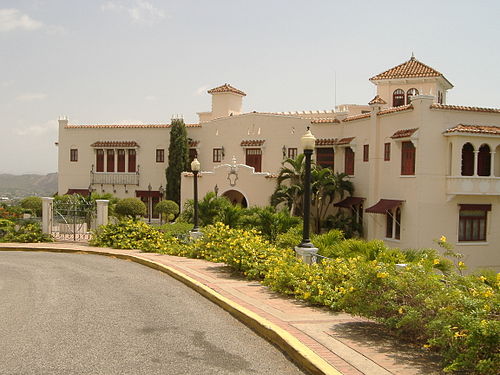
Ponce, located on the southern coast of Puerto Rico, is the island's second-largest city and plays a vital role in its cultural and historical landscape. Established in 1692, the city was named after Juan Ponce de León, the first governor of Puerto Rico. Ponce is known for its rich architectural heritage, especially its neoclassical and Spanish Revival buildings. Notable landmarks include the iconic Parque de Bombas, a historic firehouse turned museum, and the Cathedral of Our Lady of Guadalupe, which serves as a centerpiece of the city's religious and social life. The city is often referred to as "La Perla del Sur" (The Pearl of the South) due to its scenic beauty and cultural allure.
Economically, Ponce has transitioned through various phases, from sugar production in the 19th century to becoming a regional hub for commerce and services. The city is part of the larger Ponce Metropolitan Area, which is home to a diverse population of around 150,000 residents. Ponce hosts several cultural festivals throughout the year, including the Fiesta de San Juan Bautista and the Carnival Ponceño, both of which celebrate local traditions and attract visitors. Ponce is also home to educational institutions such as the University of Puerto Rico at Ponce, contributing to its reputation as a center for education and research. Additionally, the city has been working on revitalizing its economy and infrastructure, driven by tourism and cultural initiatives, which highlights its importance in modern Puerto Rico while honoring its historical roots.
Facts about Ponce
- Ponce is known as 'La Perla del Sur' (The Pearl of the South) and is celebrated for its stunning architecture and vibrant culture.
- The city is home to the iconic Parque de Bombas, a historic firehouse and one of the most recognized landmarks in Puerto Rico, famous for its striking red and black color scheme.
- Ponce has a rich artistic heritage and is the birthplace of notable artists, including the famous Puerto Rican painter Francisco Oller.
- The city hosts the Fiesta de la Cruz every May, a unique celebration that honors the Christian symbol of the cross with various cultural activities.
- Ponce is distinguished by its neoclassical architecture, with many buildings designed in the late 19th and early 20th centuries, including the Teatro la Perla, one of the oldest theaters in Puerto Rico.
- The city was the first to have a fully functioning public library in Puerto Rico, established in 1886, highlighting its commitment to education and culture.
- Ponce is recognized as the 'Cradle of Puerto Rican Music' and has a vibrant music scene, particularly known for bomba and plena, traditional Afro-Puerto Rican music styles.
- The city is home to the Museo de Arte de Ponce, which houses one of the most important collections of European art in the Caribbean, including works by renowned artists such as Velázquez and Rubens.
- Ponce played a significant role during the late 19th century as a center for commerce and trade, particularly due to its strategic location near the southern coast of Puerto Rico.
- The city celebrates the Festival de Carnaval de Ponce, one of the largest and most colorful carnivals in the Caribbean, featuring parades, music, and local traditions that attract visitors from around the world.