Ponta Grossa, Brazil
- 292,177 people
- 15 places to visit
- -25.0994, -50.1583
Places to Visit (15)
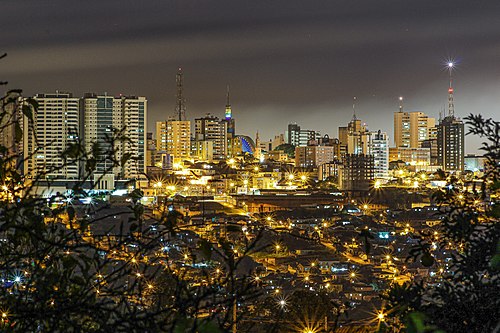
Ponta Grossa is a city located in the southern region of Brazil, specifically in the state of Paraná. It lies approximately 100 kilometers (about 62 miles) northeast of Curitiba, the state capital. Founded in 1823, Ponta Grossa has grown to become one of the most significant cities in Paraná, with a population exceeding 300,000 inhabitants, according to the latest census data. The city serves as a key economic hub in the region, primarily due to its strategic location along major transportation routes, including the BR-376 and BR-277 highways, which facilitate trade and travel.
The economy of Ponta Grossa is diverse, encompassing various sectors such as agriculture, commerce, and industry. It is particularly known for its agricultural production, with a strong emphasis on dairy farming, soybeans, and corn. The city also has a burgeoning industrial sector, featuring companies in textiles, machinery, and food processing. Ponta Grossa is home to several educational institutions, including the State University of Ponta Grossa, which contributes to the city’s vibrant cultural atmosphere.
In terms of culture and tourism, Ponta Grossa offers a range of attractions, from its stunning natural landscapes, including the Parque Estadual de Vila Velha, known for its fascinating rock formations and scenic views, to historical landmarks like the São José Cathedral and the Old Train Station. The city hosts numerous cultural events throughout the year, showcasing its rich history and local traditions. Overall, Ponta Grossa is a dynamic city that balances industrial growth with cultural heritage, making it an important part of Paraná's socio-economic landscape.
Facts about Ponta Grossa
- Ponta Grossa is known for its unique geological formations, particularly the Arenitos de Vila Velha, which feature striking natural sculptures and rock formations.
- The city is home to the historic Campos Gerais region, which played a significant role in the settlement and development of the state of Paraná.
- Ponta Grossa is the site of the largest paper mill in Latin America, Klabin, contributing significantly to the local economy.
- The city hosts the annual Festival Internacional de Teatro de Ponta Grossa, attracting artists and audiences from around the world.
- Ponta Grossa has a rich German cultural influence, evident in local architecture, festivals, and cuisine, setting it apart from many other Brazilian cities.
- The city lies at the strategic intersection of major highways, making it a key logistics and transportation hub in southern Brazil.
- Ponta Grossa is recognized for its educational institutions, including the State University of Ponta Grossa (UEPG), which is a center for research and higher education.
- The city's historic center features the beautiful Cathedral of Nossa Senhora da Piedade, a prime example of Brazilian neo-Gothic architecture.
- Ponta Grossa is surrounded by parks and natural reserves, such as the Parque Estadual de Vila Velha, which is known for its biodiversity and eco-tourism.
- The city's economy is diversified, with strong sectors in agriculture, industrial manufacturing, and services, making it distinct from many other municipalities in Brazil.