Pontevedra, Spain
- 81,576 people
- 13 places to visit
- 42.4299, -8.6446
Places to Visit (13)
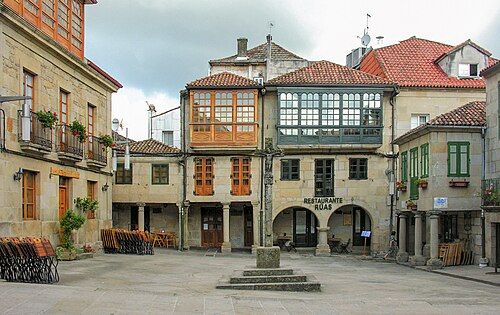
Pontevedra is a vibrant city located in the northwest of Spain, specifically in the region of Galicia. It serves as the capital of the province of the same name and is situated along the banks of the Lérez River, approximately 30 kilometers northwest of Santiago de Compostela. With a population of around 83,000 residents, Pontevedra is known for its rich history, picturesque architecture, and significant cultural heritage. The city has a historic center that is largely pedestrianized, making it one of the most walkable cities in Spain, and features well-preserved squares, narrow streets, and an array of historical buildings that date back to the Middle Ages. Key landmarks include the Basilica of Santa María la Mayor, the Church of San Francisco, and the impressive Pontevedra Museum, which showcases a variety of art and archaeology.
Pontevedra's economy is diverse, historically centered on fishing and shipbuilding, but has diversified over the years to include agriculture, textiles, and commerce. The city's strategic location near the Atlantic Ocean has also contributed to its prosperous maritime industry. In addition to its economic activities, Pontevedra is renowned for its cultural initiatives and festivals. The city celebrates various events throughout the year, including the Feira Franca, which honors its medieval heritage, and the Festival of San Juan, celebrated with bonfires and music. Pontevedra is also recognized for its commitment to sustainability; the local government has invested in enhancing its public spaces and promoting environmentally friendly transportation, which has led to a reduction in traffic and pollution. This has contributed to Pontevedra being regarded as a model for urban planning and quality of life in Spain, making it an attractive destination for both residents and visitors. As a city rich in history and modernity, Pontevedra offers a unique blend of Galician culture, gastronomy, and beautiful landscapes, making it a notable place to explore.
Facts about Pontevedra
- Pontevedra is known for its well-preserved historic center, which has earned the designation of a pedestrian-friendly zone, making it one of the largest car-free areas in Spain.
- The city has a strong maritime heritage, highlighted by its location on the Ría de Pontevedra and its historical significance as a shipping and fishing hub.
- Pontevedra hosts the annual 'Festividade da Virxe Peregrina,' a unique festival that celebrates the patron saint of the city, drawing thousands of pilgrims and tourists each August.
- The Praza da Ferreira, the largest square in Pontevedra, is renowned for its vibrant atmosphere and numerous cafes and bars, serving as a cultural and social hub.
- Pontevedra's iconic 'Church of the Pilgrim Virgin' (Iglesia de la Virgen Peregrina) features a distinctive shell-shaped design, symbolizing the city’s connection to the Camino de Santiago pilgrimage route.
- The city boasts a rich cultural scene, with events like the O Maratón da España (the Marathon of Spain) attracting sports enthusiasts from across the country.
- Pontevedra has a diverse architectural landscape, featuring examples of Gothic, Baroque, and modernist styles, including the stunning 'Teatro Principal' and the 'Palacio de la Diputación.'
- The city is committed to sustainability and urban ecology, regularly winning awards for its green spaces and initiatives to promote biodiversity and reduce pollution.
- Pontevedra's population has shown remarkable resilience, with a steady increase in residents in recent years, contrasting with many other cities in Spain experiencing population decline.
- The city has played a significant role in Galician culture and history, and it continues to be a center for Galician language and music, hosting various festivals celebrating regional traditions.