Pontypool, United Kingdom
- 35,686 people
- 11 places to visit
- 51.7004, -3.0453
Places to Visit (11)
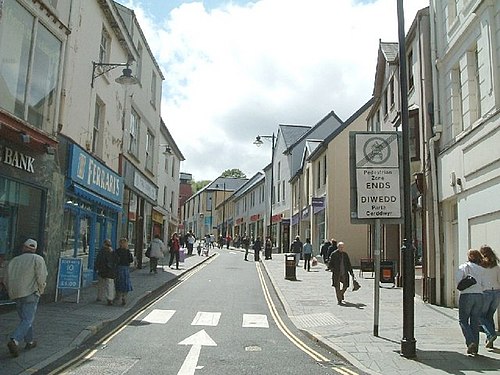
Pontypool is a town located in Torfaen county borough, Wales, within the historical county of Monmouthshire. Situated approximately 18 miles northeast of Cardiff and 4 miles north of Cwmbran, Pontypool lies at the northern edge of the beautiful South Wales Valleys. Known for its vibrant community and rich industrial heritage, the town has evolved over the years from its origins as a small agricultural settlement. The name "Pontypool" derives from the Welsh "Pont-y-pŵl," meaning "bridge by the pool," reflecting its geographic features and historical significance near the River Start.
Historically, Pontypool played a crucial role during the Industrial Revolution, particularly in the production of iron and coal. The town became a significant center for the manufacture of iron goods in the 18th and 19th centuries. The Pontypool and Blaenavon Railway was instrumental in transporting goods from local ironworks to larger markets, further contributing to the area’s economic growth. Additionally, Pontypool is often associated with the production of tinplate and other metal products, which fostered the development of a skilled workforce in the area. Although heavy industry has declined, the town has successfully transitioned to a more diversified economy, encompassing retail, services, and light manufacturing.
In contemporary times, Pontypool is known for its picturesque parks, historical architecture, and cultural events. The town center features a blend of modern shops and traditional markets, providing a hub of activity for residents and visitors alike. The nearby Cwmbran Shopping Centre and the scenic landscapes of the Gwent Levels and the Brecon Beacons National Park offer recreational opportunities and natural beauty. Notable attractions include the Pontypool Park, which boasts the beautiful Pontypool and Panteg Educational Trust, historical sites such as the Pontypool Museum, and various local sporting teams. With a population of around 30,000, Pontypool exemplifies the charm of a small Welsh town while remaining an integral part of the vibrant South Wales community.
Facts about Pontypool
- Pontypool is known for its rich industrial heritage, particularly in ironworking and tinplate production during the 19th century.
- The town is home to the historic Pontypool and Blaenavon Railway, a narrow-gauge heritage railway that showcases the area's industrial history.
- Pontypool is famous for its unique 'Pontypool Bed,' a style of decorative furniture that originated in the 18th century, featuring intricate designs.
- The town hosts the annual Pontypool and Blaenavon World Heritage Site Festival, celebrating its rich cultural heritage linked to the Industrial Revolution.
- Pontypool's distinctive feature is the Pontypool Park, which includes a Victorian-era mansion and extensive parkland, offering scenic walks and historical insights.
- The town's rugby club, Pontypool RFC, has a storied history and was founded in 1876, making it one of the oldest rugby clubs in Wales.
- Pontypool is known for the Monmouthshire and Brecon Canal, which runs through the area and is popular for boating, cycling, and walking.
- The town played a significant role in the coal mining industry, contributing to the economy of South Wales during the 20th century.
- A notable event in Pontypool's history is the 2011 'Pontypool Festival of Music and Arts' which has become an important annual cultural showcase.
- Pontypool has close ties to the coal mining communities and is known for its historical miners' memorials, honoring those who worked in the mines.