Port Arthur TX, United States
- 55,340 people
- 13 places to visit
- 29.885, -93.9399
Places to Visit (13)
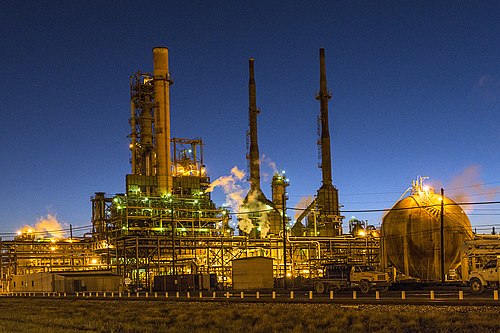
Port Arthur, Texas, is a city situated in the southeastern part of the state, primarily within Jefferson County, though it also extends into Orange County. Founded in 1895, Port Arthur has a rich history that is closely tied to the development of the oil industry in the early 20th century. As one of the United States’ significant ports on the Gulf of Mexico, it has played an important role in shipping and maritime activities. The city's position near the Sabine River and intercoastal waterways has made it an essential hub for several oil refineries and petrochemical facilities, further driving its economic growth. The city has also been shaped by its cultural diversity, influenced by a mix of Hispanic, African American, and Anglo-American communities, which contribute to its vibrant local culture and traditions.
Port Arthur is known for its natural beauty, featuring parks, lakes, and nature reserves. The city is home to several parks, such as the 164-acre Sabine Lake, which offers opportunities for fishing, boating, and bird-watching. The local economy is supported by various industries, including manufacturing, healthcare, and retail, but it continues to be fundamentally connected to the energy sector. Port Arthur's historical sites include the Museum of the Gulf Coast, which highlights the region’s cultural, musical, and sporting heritage, and the city has produced notable figures, including musician Janis Joplin and baseball player and broadcaster John "Buck" O'Neil. Despite challenges, including natural disasters like Hurricane Rita in 2005 and Hurricane Harvey in 2017, Port Arthur remains a resilient community, continuously evolving while honoring its rich history and diverse heritage. The city's proximity to larger urban centers like Beaumont and Orange enhances its appeal, providing residents and visitors access to wider economic and recreational opportunities.
Facts about Port Arthur
- Port Arthur is home to the Museum of the Gulf Coast, which showcases the region's rich history, culture, and notable artists such as Janis Joplin and Jimmy Reed.
- The city was established in the late 19th century and became a key hub for the oil industry, particularly notable during the Texas Oil Boom of the early 1900s.
- Port Arthur has a significant connection to the shipbuilding industry, having produced numerous vessels during both World Wars, contributing to the American military effort.
- The city features the Port Arthur Nature Park, an expansive natural area that offers opportunities for wildlife observation, hiking, and exploring coastal ecosystems.
- Port Arthur's waterfront along Sabine Lake and the Neches River marks it as a focal point for fishing and recreational water sports, attracting enthusiasts year-round.
- The city hosts the annual Port Arthur Seafood Festival, a celebration that highlights the local seafood industry and offers a variety of food, music, and entertainment.
- The historic Port Arthur Civic Center has hosted various events and concerts, adding to the city’s cultural significance in Southeast Texas.
- The Sabine Pass Lighthouse, located near Port Arthur, is one of the few remaining lighthouses on the Texas Gulf Coast and reflects the maritime heritage of the area.
- Port Arthur has a diverse population with a rich cultural heritage, including influences from Cajun, Creole, and Vietnamese communities that enrich the city’s traditions and cuisine.
- Due to its strategic location on the Gulf Coast, Port Arthur serves as a critical area for petrochemical industries, making it one of the largest industrial centers in Texas.